
 3302 Westgrove Drive Arlington, TX 76001


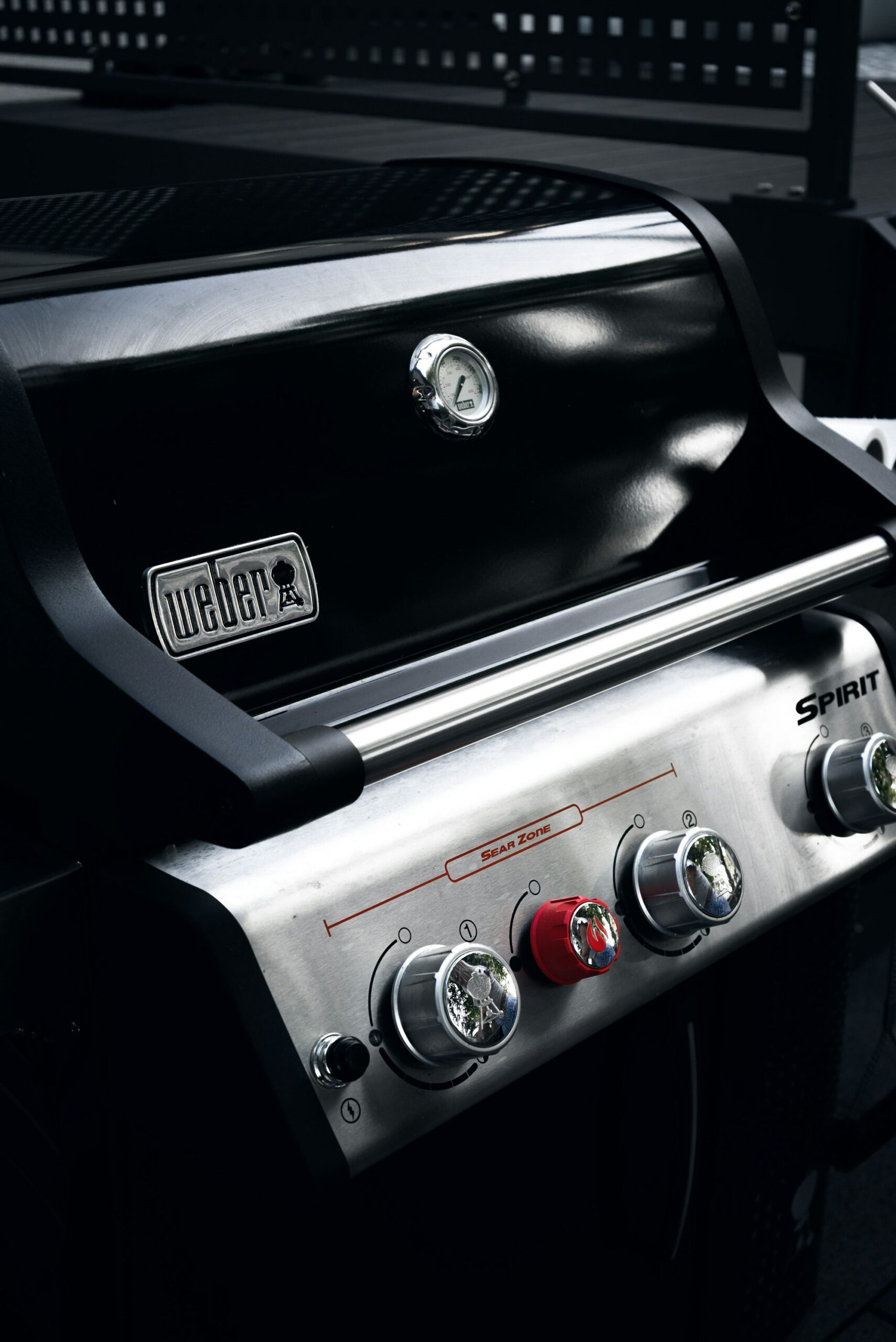
To clean a portable grill, burn it off on high for 10 to 15 minutes, brush the grate, then let it cool and shut off the gas. At home, wash the grate in warm soapy water, brush the burner tube with a separate clean brush, scrape the cookbox into the drip pan, and swap the pan liner. Finish with a soapy-water leak check on the hose.
Key takeaways:
- Hot burn-off and brush after every cook.
- Full clean after every tailgate weekend or camping trip.
- Use two brushes: one for the grate, one for the burner.
- Never store the propane cylinder in the house.
- Soapy water for leak checks. Never a flame.
It is tailgate season in DFW. Your little grill rode in the trunk, cooked 40 burgers, survived a nephew who wanted to “help,” and then sat in the garage covered in grease and confetti. Now Thanksgiving weekend is coming, and somebody wants brats in the parking lot again. Let’s get that grill ready before it embarrasses you in front of the in-laws.
How do you clean a portable grill?
Clean it in two stages: a quick hot clean at the game, then a full cool clean at home. Here are the steps in order. They work on a Weber Q, a tabletop propane grill, or any small portable with a single burner tube.
- Burn it off while it is hot. Right after you cook, run the grill on high with the lid closed for about 10 to 15 minutes. Then brush the grate with a stainless brush. This is the one-minute habit that saves an hour later.
- Shut off the gas and let it cool. Close the cylinder valve, disconnect the cylinder, and let the grill cool completely before you pack it. Hot grease in a car trunk is a smell nobody forgets.
- Pull the grate and wash it. At home, wash the grate in warm, soapy water. Porcelain-enamel grates get a nylon pad, not steel wool. Dry it fully so it does not rust.
- Brush the burner tube. Use a second clean stainless brush that never touches the grate. Brush along the burner in the direction of the ports to clear crumbs and carbon.
- Scrape the cookbox. Use a plastic scraper to push grease and bits from the inside walls down into the drip pan opening.
- Empty or replace the drip pan. Pull the catch pan and drop in a fresh foil liner. A full drip pan on a small grill is how flare-ups start.
- Wipe the outside and check the hose. Wipe the lid and body with mild soap and water. Then brush soapy water on the hose and connections with the cylinder attached. Bubbles mean a leak. Do not use the grill until it is fixed.
Tools: two stainless steel grill brushes, a plastic scraper, a nylon scrub pad, dish soap, foil drip pan liners, a spray bottle of soapy water, and an old towel for the car.
Weber’s own grill team describes this same routine for the Q: preheat on high for about 15 minutes, brush the grates, brush the burner tube monthly with a separate brush, scrape the cookbox with a plastic tool, and replace the drip pan instead of scrubbing it. You can read it in Weber’s Q care guide.
How often should you clean a portable grill?
Brush it after every cook and give a portable grill a full clean after every outing. Small grills have small drip pans and short distances between the burner and the food. Grease builds up fast, and it flares up fast.
| Task | How often | Why it matters |
|---|---|---|
| Hot burn-off and grate brush | Every cook | Carbon comes off easily while hot |
| Drip pan liner swap | When about half full | Stops grease flare-ups |
| Burner tube brush | Monthly in season | Keeps ports open for an even flame |
| Full wash and cookbox scrape | After each tailgate weekend or trip | Grease left in a closed grill turns rancid |
| Soapy-water leak check | Every time you reconnect the cylinder | Finds hose and fitting leaks |
What is the safe way to handle propane on a portable grill?
Close the valve, disconnect the cylinder, and keep it outside the house. The Hearth, Patio & Barbecue Association’s gas grill safety tips say never store an LP cylinder indoors, store cylinders upright where it will not top 120°F, and check for leaks with soapy water every time you reconnect the regulator. They also say to plug the cylinder valve outlet when it is disconnected or being transported, unless it has a quick-close coupling.
If your hose is cracked, stiff or sticky, replace it before the next trip. Our guide on how often to replace a grill hose and regulator covers what to look for.
Can you clean a portable grill at the tailgate?
Yes, but only the hot part. Burn it off, brush the grate, and let it cool before you pack it. Save the soap and water for home.
Tailgate hacks that work:
- Pack a cheap foil pan to set the hot grate in if you have to leave early.
- Rub a halved onion on a hot grate with a fork for a quick scrub when you forget the brush. It is old-school, and it smells great.
- Keep a lidded metal can or a contractor bag lined with an old towel in the trunk for the cooled grill.
- Write the date on each new drip pan liner with a marker so you know how old the grease is.
Where does DIY portable grill cleaning stop?
Stop if the soapy water bubbles at the hose or valve, if the flame turns lazy yellow and will not clean up, if the burner tube is cracked or rusted through, or if the regulator was crushed in the car. Those are parts problems, not dirt problems. Brushing harder will not fix a leak.
What our techs see
When we deep clean a backyard grill in DFW, the family’s portable grill is often sitting right next to it in the garage. The usual story is the same: a drip pan packed full from the last game, a grate that was never washed, and spider webs in the burner venturi from a summer off. The grill still lights, so it seems fine, until it flares up in a parking lot full of people. A 20-minute clean at home after each outing heads that off.
Do it right and you get the good stuff: steady heat, burgers that do not taste like last month, and a grill you are proud to set up next to your buddy’s. The kids will brag about your burgers. You will brag about your burner ports. Only one of those will impress anybody.
Grill cleaning in Dallas-Fort Worth
Texas Grill Clean has cleaned and repaired DFW grills since 2015. If your big grill needs help too, see our professional grill cleaning service, or our grill cleaning in Arlington page for game-day neighbors. Call (817) 791-4606 to book.
FAQ
How often should I clean a portable grill?
Brush the grate after every cook while it is still hot, and do a full clean of a portable grill after every weekend of tailgating or camping. Empty or swap the drip pan whenever it looks about half full. Before packing a portable grill away for winter in DFW, clean the burner and cookbox so grease does not sit for months.
Can I clean a portable grill in the kitchen sink?
You can wash a portable grill’s cooking grate and drip tray in the sink with warm, soapy water, as long as the grate is not bare cast iron. Never put the burner, regulator, valve or control knob under running water. Keep the propane cylinder outside the house; HPBA says never store an LP cylinder indoors.
How do I clean the burner on a Weber Q?
Let the Weber Q cool fully, lift out the cooking grate, and brush the burner tube with a clean stainless brush that you never use on the grate. Brush along the tube in the direction of the ports to clear debris. Then scrape the cookbox with a plastic scraper and push the scraps into the drip pan.
Is it safe to put a portable grill in my car right after cooking?
No. Let a portable grill cool completely before loading it, and close the cylinder valve first. HPBA says the cylinder valve outlet should be plugged when a cylinder is disconnected or transported, unless it has a quick-close coupling. Keep the cylinder upright and somewhere it will not get hotter than 120 degrees.
Does Texas Grill Clean service portable grills in DFW?
Yes. Texas Grill Clean cleans and repairs gas grills across Dallas-Fort Worth, from small portables to full outdoor kitchens. We can clean your big backyard grill and your tailgate grill on the same visit. Call (817) 791-4606 to book.
Written by the Texas Grill Clean team. Cleaning and repairing DFW grills since 2015.
Leave a Comment