
 3302 Westgrove Drive Arlington, TX 76001


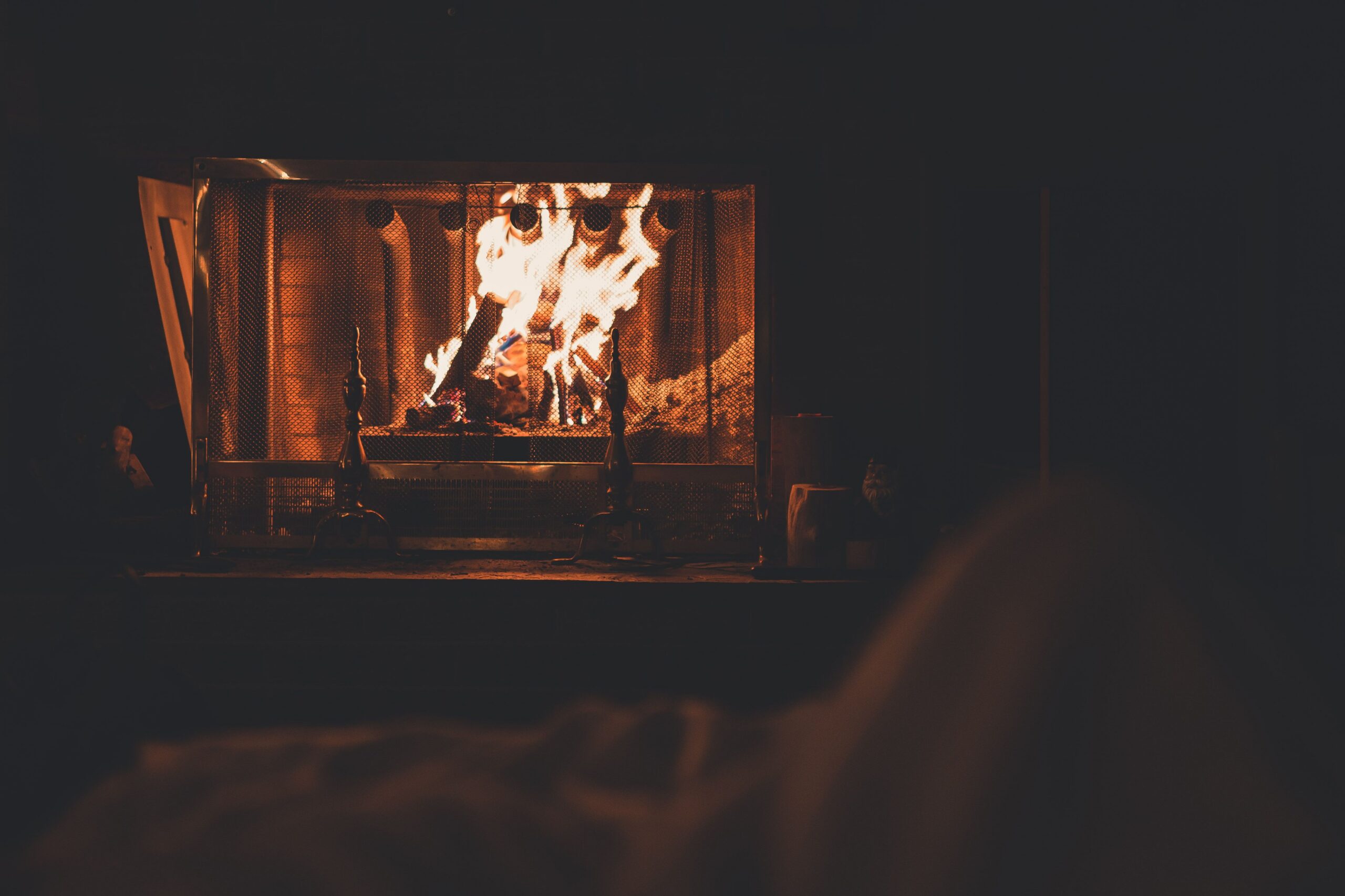
The first real cold front of the year rolls through DFW, and the fireplace gets lit for the first time since last February. Nobody’s looked inside that flue since. It’s been sitting there for eight months doing nothing while the rest of the house got used every day.
That gap is exactly when things go wrong. Not because North Texas homeowners are careless — because a chimney that sits idle all summer is quietly becoming a different chimney than the one you swept last winter, if you swept it at all.
The most common home heating fire isn’t a space heater
Space heaters get the warnings every fall, and they deserve them. But the U.S. Fire Administration’s own numbers on residential heating fires tell a different story about where the biggest single risk actually sits: a “confined chimney or flue fire” — a fire contained inside the chimney itself — accounted for 49.43% of all residential heating fires nationally from 2017 through 2019, the single largest category by a wide margin. You can see the breakdown yourself in the USFA’s residential heating fires report.
The National Fire Protection Association adds the timing: the peak months for home heating fires are December, January, and February — per NFPA’s home heating safety data — exactly the stretch when a DFW fireplace that’s been closed since spring gets asked to work hard, fast, with no warm-up.
What actually happens during eight idle months
A flue doesn’t sit empty just because nobody’s burning wood in it. Over a Texas spring and summer:
- Creosote from last season hardens. Soot deposits left on the flue walls go from flaky to glazed the longer they sit, and glazed creosote is the kind a basic brush kit won’t touch.
- Birds and squirrels move in. An open or uncapped flue looks like a chimney-shaped nesting box for most of the year, and a nest is a solid blockage the first time you build a fire.
- Water finds a way in. A cracked crown or a missing cap lets rain sit on the smoke shelf and damper all summer, which is how a fine metal damper rusts shut — or open.
- Gas pilot assemblies collect dust. Gas units aren’t exempt from the idle-season problem. A pilot and burner that worked fine in March can be clogged with a summer’s worth of dust by the first cold night in November.
Wood vs. gas: what a pre-season check actually looks at
| Wood-burning fireplace | Gas fireplace |
|---|---|
| Flue swept firebox to cap, smoke chamber and smoke shelf cleared | Pilot and burner cleared of dust and debris |
| Creosote checked and graded — glazed (stage 3) creosote needs rotary tools, not a brush | Thermocouple/thermopile tested, since a weak one is the most common “won’t stay lit” call |
| Damper checked for rust, free movement, and a full seal | Gas valve, ignition, and venting tested in sequence |
| Crown, cap, and flashing checked for the cracks that let a whole summer of rain in | Logs, glass, and flame pattern checked — black soot on the glass points to incomplete combustion |
| Firebox and refractory panels inspected for cracks | Venting checked, since gas units still exhaust through a flue that can be blocked or corroded |
DIY stops here — here’s why
You can and should do the easy checks yourself before the first fire: look up the flue with a flashlight for an obvious nest or daylight gap, and listen for scratching or chirping that means something’s living in there. Both take five minutes and either one is a good reason to call before you light anything.
What you can’t safely DIY is what actually causes most chimney fires. Glazed creosote doesn’t come out with a hardware-store brush — it needs rotary tools and someone who knows the difference between stage 1 and stage 3 buildup. Checking the crown and cap means roof-level work on a North Texas roof. And a gas system with a worn thermocouple or a sticking valve is a leak-check and flame-test job, not a YouTube-tutorial job.
A standard sweep with Level 1 visual inspection is $229 flat and covers the flue, smoke chamber, smoke shelf, and damper, with before-and-after photos. A camera scope of the flue is a $199 add-on if the inspection turns up something that needs a closer look. Gas fireplace inspection and cleaning runs the same $229. If something’s actually broken, repair visits start at $239 with parts quoted in writing before anything’s ordered, and a chimney cap runs from $99 if that’s what let the water in to begin with. All labor carries a 1-year workmanship warranty.
Start with a chimney sweep and inspection, or go straight to fireplace repair if you already know something’s wrong. Missing or rusted cap? See chimney cap installation. More questions first? Check our fireplace & chimney FAQ, or book online and we’ll tell you honestly whether your flue needs a sweep or just a look.
FAQ
When should I get my chimney inspected before burn season in DFW?
Before the first fire of the season, ideally in October or early November, before the first real cold front hits. NFPA 211 calls for an inspection every year regardless of how much you burn, with sweeping done as needed based on what that inspection finds.
What’s actually the leading cause of home heating fires?
According to the U.S. Fire Administration, confined chimney or flue fires — fires contained inside the chimney structure itself — made up 49.43% of all residential heating fires nationally from 2017 to 2019, more than any other single category.
Do gas fireplaces need a pre-season check too?
Yes. Gas burns cleaner than wood, but a gas fireplace that sat unused all summer commonly has a dust-clogged pilot assembly, and it still vents through a flue that can be blocked or corroded the same as a wood-burning chimney.
Can I check for a nest or blockage myself?
You can do a basic check — shine a flashlight up the flue from the firebox and look for an obvious blockage, and listen for scratching or chirping. If you see or hear anything, or if you just don’t know when it was last swept, that’s a call before a light.
How much does a pre-season chimney sweep cost in DFW?
A standard sweep with Level 1 inspection is $229 flat across the DFW metro, covering the flue, smoke chamber, smoke shelf, and damper with before-and-after photos. A camera scope add-on is $199, and gas fireplace inspection and cleaning is also $229.
Leave a Comment