
 3302 Westgrove Drive Arlington, TX 76001


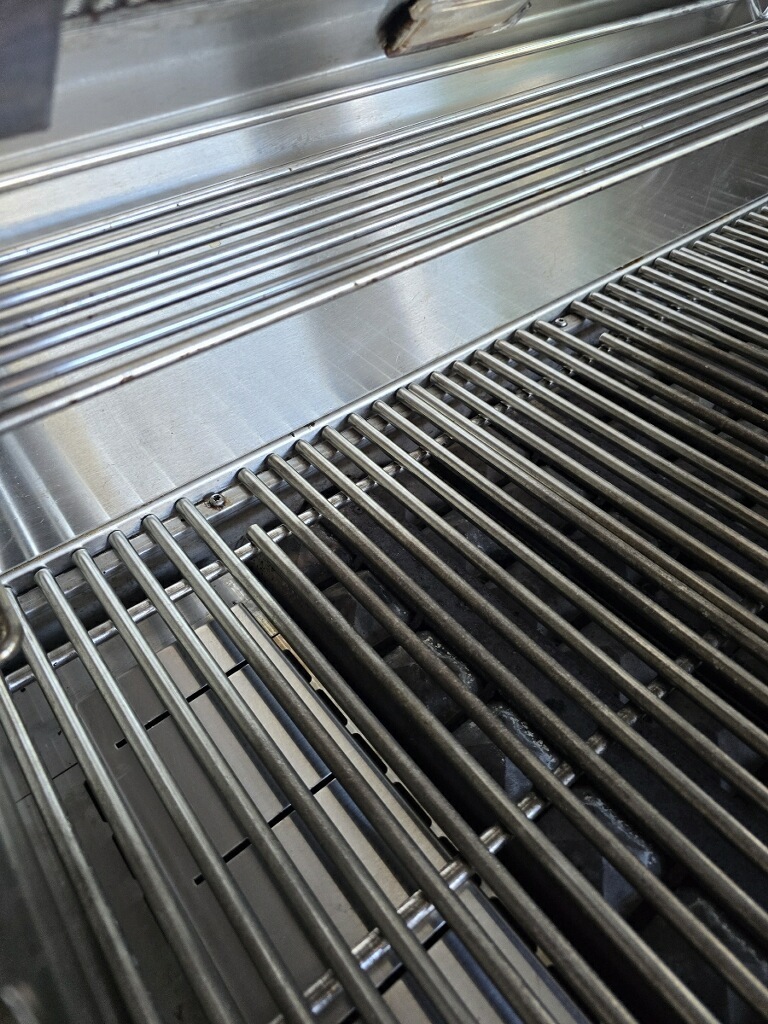
Quick answer: Let the smoker go cold, scoop the ash into a lidded metal can, scrape the cooking chamber with a putty knife, brush the grates, wipe the outside, and treat any rust spot with steel wool and high-temperature oil. Save soap and water for a once-in-a-while deep clean, then re-season.
How do you clean an offset smoker? Empty the cold ash after every cook, scrape grease out of the cooking chamber, and brush the grates. Ash holds moisture and starts rust, so getting it out is the single biggest job. A few times a year, do a deep clean, check the thermometer, and re-season with high-temperature oil.
Holiday season is brisket season in Dallas-Fort Worth. The family shows up hungry, the kids hover by the pit asking “is it done yet” every ten minutes, and your offset smoker is the star of the backyard. Here is how to make sure it smokes clean, holds temp, and does not greet your guests with a rusty grin.
How do you clean an offset smoker after every cook?
You clean out the ash and scrape the chamber, then you are done. It takes about ten minutes. Oklahoma Joe’s says to remove the ashes after each use, because ash holds moisture and can form byproducts that promote rust. The same guide says to scrape the cooking chamber with a putty knife and brush grates with a nylon bristle brush.
Step-by-step: how to clean an offset smoker
Here is the routine our team recommends, built on the manufacturer’s own care steps.
- Let it cool all the way. Wait until the firebox and ash are completely cold. Warm ash can still start a fire.
- Scoop out the ash. Empty the firebox and ash pan into a metal container with a tight lid. Keep it away from the house, kids and the dog.
- Scrape the cooking chamber. Use a 4-inch putty knife to push grease and food bits out of the chamber and grease drain. Leave the seasoning alone.
- Brush the grates. Brush the grates with a nylon bristle brush before you cook, and clean the grease bucket.
- Wipe the outside. Wipe sauce or marinade spills off the lid and shelves with a warm, damp cloth.
- Treat rust spots. Buff small rust spots with steel wool, then wipe them with beef tallow or a high-temperature cooking oil.
- Check the thermometer. Put the stem in boiling water. It should read about 212 degrees Fahrenheit. Many lid thermometers adjust with the nut on the back.
- Re-season after a deep clean. Coat the inside with high-temperature oil and run the smoker at about 350 degrees Fahrenheit for a few hours.
Pro tip: a dedicated putty knife for the smoker keeps the kitchen one out of trouble. It also keeps you out of trouble with whoever owns the kitchen.
Where does the ash go?
Into a metal container, and only once it is cold. The National Fire Protection Association says to let coals cool completely before disposing of them in a metal container. Do not dump ash in a trash bag, a cardboard box or the flower bed. Hot embers can hide in ash that looks dead. Our charcoal grill ash safety guide covers the details.
Quick clean vs deep clean: what is the difference?
A quick clean keeps the smoker ready. A deep clean resets it. Here is how they stack up.
| Job | Quick clean | Deep clean |
|---|---|---|
| When | After every cook | After long idle stretches or heavy buildup |
| Ash | Scoop it out cold | Scoop it out cold |
| Cooking chamber | Scrape with putty knife | Optional clean burn, then warm water and degreaser |
| Grates | Nylon brush | Scrub, rinse and dry |
| Rust | Steel wool and oil on small spots | Wire brush, sandpaper, high-temp paint outside |
| Finish | Wipe and cover | Re-season at about 350°F for a few hours |
How do you deep clean an offset smoker?
Burn it off, wash it, fix the rust, then season it again. Oklahoma Joe’s suggests an optional clean burn with the vents wide open, away from anything that can burn, while you keep an eye on it. Once it is fully cool, wash with warm water and a degreaser, rinse well and let it air dry. Wire brush any deep rust, sand it smooth, and touch up outside spots with high-temperature paint. Then coat everything with tallow, lard or another high-temperature oil and run the smoker at about 350°F for a few hours.
If you can, leave the inside of the cooking chamber alone. That dark coating is seasoning, not dirt. It is the smoker’s version of a well-loved cast iron skillet.
Why does an offset smoker rust so fast in DFW?
Because ash, rain and humid spells team up. A firebox full of old ash soaks up moisture after every North Texas storm. Leave it there through the fall and the steel underneath starts to flake. Empty the ash, keep a cover on the smoker, and let it dry out before you cover it after a rainy week.
What our techs see
Most rusted smokers we see do not fail at the lid or the chamber first. They fail at the bottom of the firebox, right where old ash sat for weeks. The outside can look great while the floor of the firebox is thin and flaking. A flashlight and a putty knife will tell you a lot. Tap the floor. If it flakes deep or you see daylight, that is not a cleaning job anymore.
DIY stops here
Ash, scraping, brushing and small rust spots are all yours. Call a pro if rust has gone through the metal, the firebox door or dampers will not close, the chamber is caked with years of grease, or you would rather spend Saturday cooking than scrubbing. The grill restoration and deep cleaning team at Texas Grill Clean handles the heavy work.
Frequently asked questions
How often should I clean an offset smoker?
Scoop the cold ash after every cook, scrape the cooking chamber and brush the grates each time you fire it up. Do a full deep clean when the smoker has sat idle for a long stretch or grease is building up. For most DFW backyards, that means a deep clean before the holiday smoking season and again in spring.
Should I wash the inside of my offset smoker with soap?
Only during a deep clean, and only if you plan to re-season it. Oklahoma Joe’s suggests leaving the cooking chamber alone when you can, so you keep the seasoning. If you do wash it with warm water and degreaser, rinse well, let it air dry, then coat it with high-temperature oil and run a fire.
Why is my offset smoker rusting in DFW?
Usually it is the ash. Oklahoma Joe’s notes that ash holds moisture and helps rust form, so a firebox full of old ash rusts from the bottom up. North Texas rain and humid spells speed that up. Empty the cold ash after every cook, keep it covered, and treat small rust spots early.
How do I get rid of rust inside my smoker?
Buff small spots with steel wool, then wipe them with beef tallow or a high-temperature cooking oil. For deep rust, use a wire brush and fine sandpaper first. Paint exterior spots with high-temperature paint. If rust has eaten through the firebox or cooking chamber, call Texas Grill Clean at (817) 791-4606 for a look.
Can Texas Grill Clean clean my offset smoker?
Yes. Texas Grill Clean deep cleans and restores grills and smokers across Dallas-Fort Worth, including Fort Worth, Arlington, Plano and Frisco. We clear grease and carbon, check for rust damage, and leave it ready for the next cook. Book online or call (817) 791-4606 to set a time before the holidays.
Get your smoker holiday-ready
A clean smoker holds steady temps, tastes better and makes you look like the pitmaster everyone thinks you are. Texas Grill Clean serves Fort Worth, Dallas and the rest of DFW. Book online or call (817) 791-4606.
Written by the Texas Grill Clean team. Cleaning and repairing DFW grills since 2015.
Leave a Comment