
 3302 Westgrove Drive Arlington, TX 76001


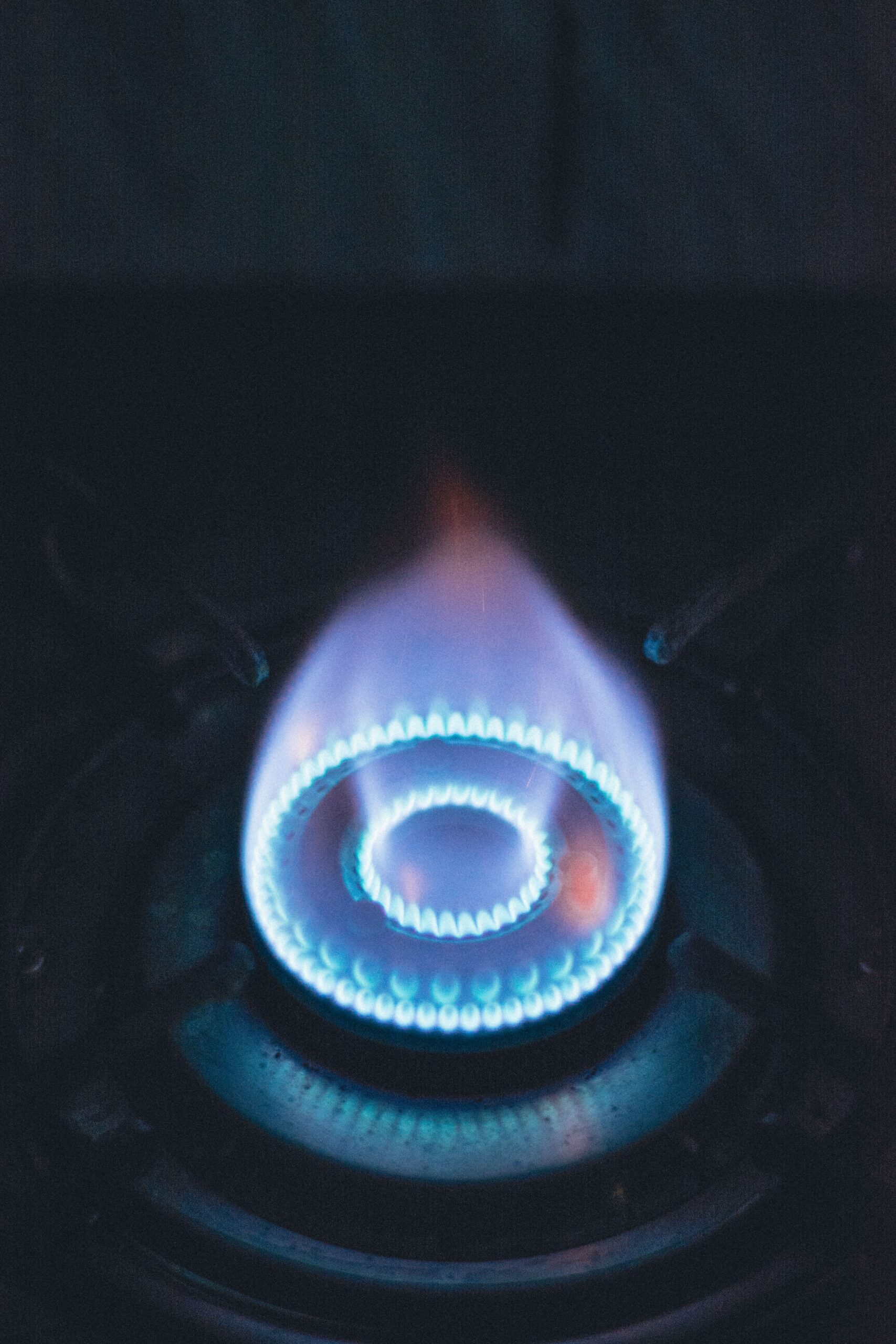
A gas grill that’s too hot on low is usually not broken. Four things cause it: the knob isn’t actually at LOW, the grill was converted between propane and natural gas with the wrong orifices, the regulator doesn’t match the fuel, or a grease-loaded firebox is radiating heat you can’t turn off. Check the knob position first. It’s free and it’s the most common answer.
We hear this one all season across Fort Worth, Colleyville, Keller, and Grapevine. A homeowner wants to hold 300°F for chicken thighs, turns every burner down as far as it goes, and the dome still reads 450°F twenty minutes later. Nothing is on fire. Nothing is obviously wrong. The grill just refuses to come down.
Is Your Knob Actually on LOW?
On most gas grills, the position you light the burner in is HIGH, not LOW, and you have to keep turning past medium to reach the real low setting. This trips up more people than any mechanical fault we find.
According to Weber’s own temperature guide, “The ‘start’ setting that you use to light your grill is also the ‘high’ position. As you continue to turn your control knob you go from high to medium to low at the farthest right position.” Same page: all Weber gas grills are designed to max out between 500°F and 550°F.
So if you nudge the knob back a quarter turn from lighting and call that low, you’re sitting somewhere between high and medium. Turn it all the way through. On a Weber Genesis, a Blaze, or a Coyote, the detent for low is at the end of the sweep, not near the start.
What Temperature Should a Gas Grill Hit on Low?
With all burners on low and the lid closed, a healthy gas grill should settle in the 250°F to 325°F range, and the fastest way to run cooler than that is to shut burners off, not to turn them all down.
| Setting | What you should see at the grate | What it’s for |
|---|---|---|
| All burners HIGH | 500–550°F | Preheat, searing, burn-off |
| All burners MEDIUM | 375–450°F | Burgers, chops, vegetables |
| All burners LOW | 250–325°F | Chicken, ribs, indirect roasting |
| Two of four burners OFF, rest LOW | 200–275°F on the cool side | Low and slow, holding, smoking |
That last row matters. A gas burner has a machined bypass inside the valve that sets a floor on gas flow. You physically cannot dial a burner below it. If you need 225°F, you turn burners off and cook over the dead ones. Every pitmaster we meet in Fort Worth figured this out the hard way.
One more thing before you blame the grill: the number you’re reading may be wrong. The dial in your hood measures air at the top of the dome, not heat at the cooking surface. We wrote up how to test your lid thermometer in ten minutes, and it’s worth doing before you chase a repair.
Was Your Grill Converted Between Propane and Natural Gas?
A propane grill running on natural gas orifices, or the reverse, will not hold a correct low setting, and running propane through natural gas orifices is the one version of this that genuinely over-fires the burners.
The orifice is a tiny drilled brass fitting between the valve and the burner venturi. Its hole size is matched to the fuel. According to the U.S. Energy Information Administration, natural gas delivered to end users averaged about 1,037 Btu per cubic foot in 2025, while propane carries roughly 2,516 Btu per cubic foot. Propane packs more than twice the energy in the same volume, so propane orifices are drilled much smaller.
Put propane through the larger natural gas holes and you’re feeding the burner far more energy than the grill was designed to release. Low stops being low. You’ll usually see other symptoms alongside it: tall lazy yellow-tipped flames, sooting on the flame tamers, and a grill that scorches food it used to cook fine.
This shows up on grills bought used, on grills moved between houses, and on conversions done with a parts-store kit instead of the manufacturer’s. A real conversion swaps every burner orifice and the regulator together. We covered the rules in converting a propane grill to natural gas, including which brands flatly do not permit it.
Can the Regulator Make a Grill Run Too Hot?
Yes, but almost always because it’s the wrong regulator for the fuel, not because it failed. A failing regulator normally starves the grill instead.
Per Propane 101, residential propane appliances run on a regulated 11 inches of water column. Natural gas appliances run lower, commonly around 7 inches. Feed a grill built for 7 inches with an 11-inch propane supply and every setting climbs, low included.
The far more common regulator complaint runs the other direction. The safety bypass inside an LP hose and regulator chokes gas to a trickle and pins the grill near 250°F no matter what you do. If your problem is a grill that won’t get hot, that’s the two-minute bypass reset, not this article.
Is It the Grill, or Is It the Firebox Holding Heat?
A firebox packed with carbonized grease stores and re-radiates heat long after you turn the burners down, and on heavy built-ins that alone can hold the cook chamber 75°F to 100°F above where the burners are set.
This is the version our crews see most often on premium built-ins in Southlake and Colleyville. Cast stainless burners, thick 304 panels, a stone island holding the whole assembly. Add years of hardened grease on the flame tamers and the firebox floor, and you’ve built a heat battery. Turning the knob down doesn’t drain it.
The other half of that problem is fire risk. According to the NFPA’s home grill fires report, U.S. fire departments responded to an average of 12,141 home fires involving grills each year from 2020 through 2024, and a failure to clean the grill was the leading contributing factor, behind one in five of those fires.
How Do You Diagnose It Yourself in 15 Minutes?
- Turn every knob fully counterclockwise through the full sweep until each one stops at its true LOW detent. Don’t stop at the lighting position.
- Preheat 15 minutes with the lid closed, then drop a grate-level probe thermometer on the cooking surface. Ignore the hood dial.
- Look at the flames. A correct flame is blue with a small yellow tip. Tall, soft, mostly yellow flames point at an orifice or air-shutter problem.
- Check the fuel label on the rating plate behind the control panel and confirm it matches what you’re actually feeding it.
- Shut off half the burners and re-read the cool side. If that holds a sane number, your grill is fine and you were fighting the wrong control.
- Open the firebox and look at the flame tamers. If they’re black and thick instead of gray and dry, you have a heat-storage problem, not a gas problem.
When Should You Call a Pro Instead?
Call someone the moment the fix involves an orifice, a manifold, or a regulator, because those are gas-carrying parts and a wrong one leaks or over-fires.
Cleaning grates and flame tamers is homeowner work. Swapping brass orifices is not. Texas Grill Clean is licensed and insured, we’re locally owned rather than a franchise, and we’ve been servicing DFW since 2009. A full grill restoration and deep clean starts at $239 and strips the firebox back to bare metal, which resolves the heat-storage version of this on its own. If the diagnosis lands on gas hardware, that’s gas grill repair and we’ll quote it before we touch anything. Current numbers are on our pricing page.
We cover Fort Worth and the rest of the Metroplex. See the full list on our service areas page.
Frequently Asked Questions
Why is my gas grill too hot on low?
The usual cause is knob position. On most gas grills the lighting position is HIGH, and true LOW sits at the far end of the knob sweep. If the knob is correct, the next suspects are wrong-fuel orifices from a bad conversion, a regulator matched to the other fuel, or a grease-caked firebox radiating stored heat after the burners come down.
Can I make my gas grill run cooler without repairing anything?
Yes. Shut off one or more burners instead of turning them all down. Every gas burner valve has a machined floor below which it will not throttle, so the only way to go lower is to remove burners from the equation and cook over the dead ones. On a four-burner grill, running the two outside burners on low gives you a genuine indirect zone.
Does a bad regulator make a grill run hot or cold?
Cold, almost always. When a propane regulator trips its safety bypass it chokes gas flow to a trickle and the grill stalls out around 250 degrees. A regulator makes a grill run hot only when it is the wrong regulator for the fuel, such as an 11 inch water column propane regulator feeding a grill built for natural gas.
Will cleaning my grill fix a grill that runs too hot?
Often, on heavy built-ins. Hardened grease and carbon on the flame tamers and firebox floor act like a heat battery, storing energy and releasing it slowly, which keeps the cook chamber well above where the burners are set. Stripping the firebox back to bare metal removes that mass. It will not help if the real problem is a wrong orifice.
Is it safe to keep grilling if the low setting is too hot?
It depends on why. If it is knob position or stored heat in a dirty firebox, you are dealing with scorched food and a fire risk from the grease itself. If the flames are tall and yellow and the grill was ever converted between fuels, stop and have it checked. Over-fired burners crack, and a cracked burner leaks gas inside the cabinet.
How do I know whether my grill was converted between fuels?
Find the rating plate behind or under the control panel and read the fuel it is certified for. Then look at what is actually connected: a portable tank means propane, a fixed pipe with a quick disconnect usually means natural gas. If those two disagree, the grill was converted, and the orifices and regulator both need verification by a professional.
Get It Diagnosed
If your grill will not come down to a workable temperature and you would rather not guess, book a visit. Estimates are free.
Book an appointment online or call (817) 791-4606.
Texas Grill Clean is part of 1st Choice Residential — veteran-owned, locally owned, and serving Dallas–Fort Worth since 2009.