
 3302 Westgrove Drive Arlington, TX 76001


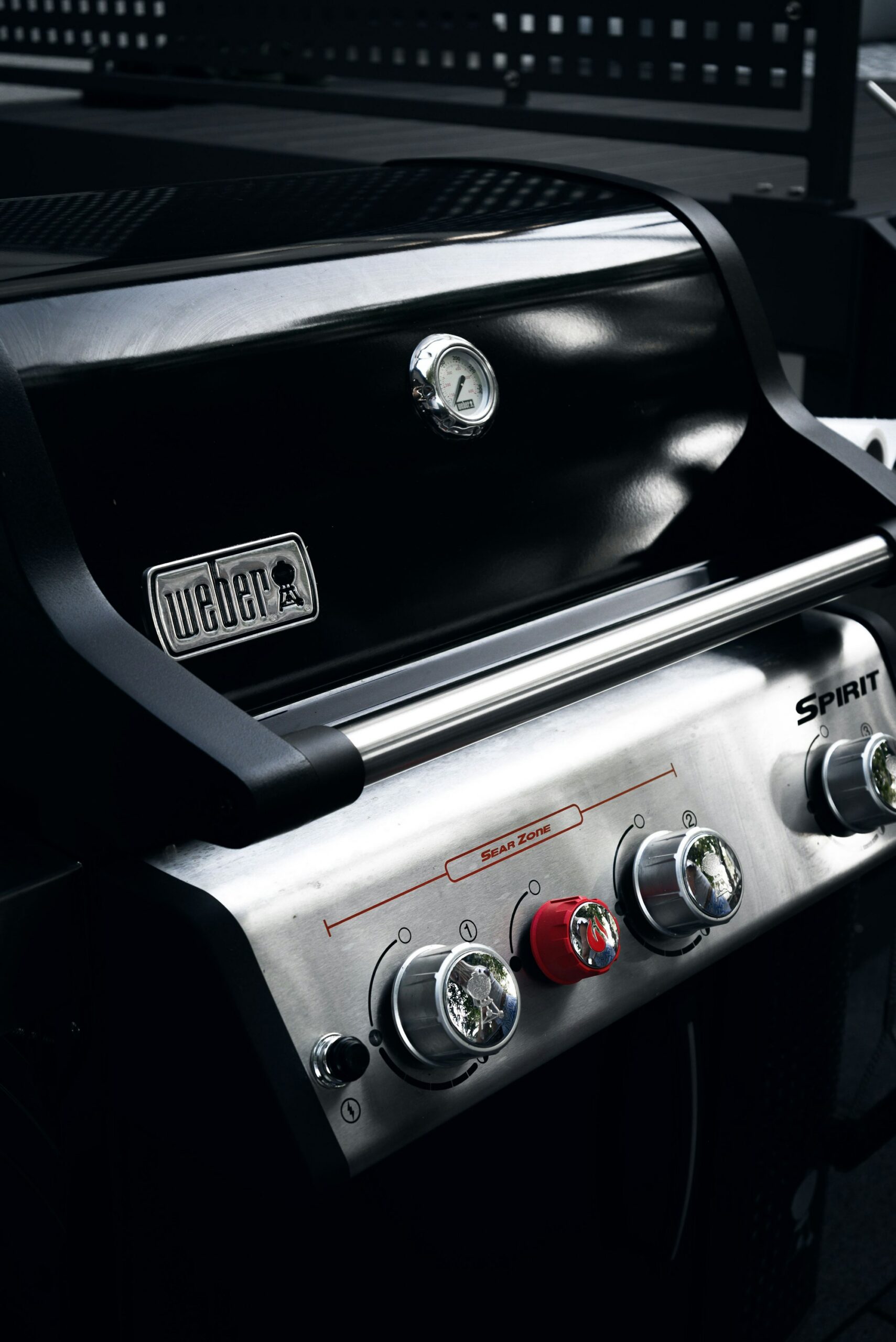
A grill cover does not cause rust. Trapped moisture does. When you throw a cover over a grill that is still warm, still wet, or still coated in grease and pollen, you seal a humid pocket against bare metal and it stays there for days. The cover is not the problem. What you covered, and when, is the problem.
We see this every summer across Grapevine, Colleyville, and Keller. Homeowner buys a good cover, uses it faithfully, and opens it in August to find orange freckles across the lid and a control panel that looks worse than the neighbor’s uncovered grill. Here is what is actually going on, and how to cover a grill in North Texas without doing damage.
Do grill covers cause rust, or prevent it?
Covers prevent rust when the grill underneath is cool, dry, and clean. They accelerate rust when it is warm, wet, or greasy. A cover is a barrier. It keeps rain, UV, cedar and oak pollen, sprinkler overspray, and bird mess off the metal. It also keeps air from moving. If moisture is already under there, nothing carries it away.
Manufacturers say this directly. According to Traeger’s official grill cover support article, owners should wait for the grill to cool before covering, should not use the cover while the grill is in use, and should not store the cover inside or underneath the grill. That last one catches people. A damp folded cover stuffed on the bottom shelf is a wet rag sitting under your firebox.
The chemistry backs it up. According to Corrosionpedia, critical humidity is the relative humidity above which the atmospheric corrosion rate of a metal increases sharply, and that threshold drops when atmospheric pollutants and moisture-absorbing surface deposits are present. Grease, salt, and pollen are exactly those deposits. They pull water out of the air and hold it against the steel.
What is happening under the cover on a Texas afternoon?
Heat plus a sealed cover creates a condensation cycle that runs every single day. The grill body absorbs sun all afternoon and gets hot. Overnight it cools. Any humidity trapped under the cover condenses on the coolest surfaces, which are usually the lid interior, the side shelves, and the cart frame. Sun comes up, it evaporates. Sun goes down, it condenses again.
That wet-dry-wet cycle is harder on metal than steady rain. Alternate wetting and drying concentrates whatever contaminants are sitting on the surface. On a Weber Genesis that means the lid hardware and the cook box seams. On a Traeger it means the barrel, the hopper lid, and the chimney. On a Blaze or Lynx built-in, it means the control panel face and the bezel rings.
The crew pulls covers off grills in Grand Prairie and McKinney all season, and the pattern holds. The rust is almost never on the top of the lid where rain hits. It is on the underside of the lid, along the shelf brackets, and around the drip tray. Those are the spots that never see moving air.
Should I cover my grill or leave it uncovered in North Texas?
Cover it, but only after it is fully cool and dry, and take the cover off on clear low-humidity days. An uncovered grill in DFW takes a beating from UV, pollen, and hail. A permanently covered grill takes a beating from trapped moisture. The right answer is a cover you actually manage.
| Condition | Cover it? | Why |
|---|---|---|
| Grill still warm from cooking | No | Residual heat drives moisture and grease vapor into the cover fabric |
| Grill wet from rain or washing | No | Standing water with no airflow is the fastest path to surface rust |
| Storm or hail in the forecast | Yes | Physical impact and driven rain do more damage than a few hours under fabric |
| Peak cedar or oak pollen season | Yes | Pollen is hygroscopic and sticks to grease film on the exterior |
| Dry, breezy 100-degree stretch | Optional | Low humidity means little to trap; UV fade is the only real risk |
| Grill unused for a month or more | Yes, after a deep clean | Covering dirty metal for weeks is worse than leaving it open |
Hail is the argument that usually settles it here. According to the Insurance Information Institute, citing NOAA’s Storm Prediction Center, Texas led the country with 902 major hail events in 2025, more than double the next state. Major means hailstones one inch or larger. A cover will not stop golf-ball hail, but it absorbs enough small-stone impact to save a lid finish and a set of knobs.
How do I cover a grill without trapping moisture?
Give it time to cool, wipe the surfaces dry, and leave the bottom of the cover loose so air can move. Six steps, and none of them take long.
- Wait for the grill to be cool to the touch. On a gas grill that is roughly an hour after shutdown. On a pellet grill, wait until the shutdown cycle finishes and the fan stops, then give it another half hour.
- Wipe down the lid, shelves, and control panel with a dry microfiber towel. You are removing condensation and cooking splatter, not polishing.
- Empty the grease tray or drip pan. A full tray under a cover is a humid, smelly grease trap that pulls moisture and pests.
- Close the lid and leave the burner knobs off. Do not cover a grill with the lid propped open. That just gives moisture more interior surface to sit on.
- Drop the cover on and skip the bottom straps in humid weather. Cinching every strap turns the cover into a sealed bag. Leaving the hem loose lets the cart breathe.
- Pull the cover off once a week and let the grill air out for a few hours. This is the step everyone skips, and it is the one that matters most in a Texas summer.
What kind of cover holds up to Texas sun?
Look for a vented, UV-stabilized cover in a light color, sized for your exact model. Cheap black vinyl is the worst combination available here. It absorbs heat, it has zero breathability, and the plasticizers cook out in about two summers until it cracks and sheds onto your grill.
What to look for instead: polyester or polyester-blend fabric rather than PVC vinyl, mesh vent panels near the top, a UV-resistant rating, and a fit made for your model. Traeger notes that its covers are cut per model to clear chimneys, side shelves, and P.A.L. rails. Weber, Blaze, Coyote, and Lynx all sell model-specific covers for the same reason. A baggy universal cover flaps in wind, sands the finish where it rubs, and pools water in the slack.
Store the cover somewhere other than the grill’s bottom shelf. Hook it on a fence, a hose reel, anything with airflow.
Do built-in grills in an outdoor kitchen still need a cover?
Yes, and they need it more than a cart grill does. A built-in head sits in a masonry or stucco island. That island holds water. Moisture wicks up from the base and out of the enclosure into the back of the firebox, where you never look. Add a sealed cover on top and you have humidity coming from both directions.
Built-in covers should be the drop-over style with a loose hem, not a shrink-tight zip. Leave the island’s vent openings clear. If your island does not have vents cut into the sides, that is worth addressing, and we cover it during a grill restoration and deep cleaning service.
One more thing on built-ins: check the underside of the grill head twice a year. That is where a slow rust problem turns into a structural one before anybody notices. Our guide on whether your grill’s rust is cosmetic or structural walks through the difference in about ninety seconds.
My grill already has rust under the cover. Is it ruined?
Almost always no. Surface rust and staining on stainless come off if you get to them early. According to Weber, at the first sign of staining, discoloration, or surface rust you should clean with a stainless steel cleaner to remove it, then follow with a stainless polish to preserve the finish. Weber also notes that grills near a coast or a pool need regular washing and rinsing of exterior surfaces.
The key word is early. Orange freckles wipe off. Pitted metal does not. If you are also fighting white chalky spots from sprinkler overspray, that is a separate issue with a separate fix, and we broke it down in how to remove hard water spots from a stainless steel grill.
When the rust has spread past the exterior into the burners, flame tamers, or firebox floor, that is past a weekend job. Our stainless steel grill restoration and gas grill repair services handle those. A full grill deep clean starts at $239, and you can see the rest on our pricing page.
Frequently asked questions about grill covers and rust
Do grill covers cause rust?
No. A cover by itself does not cause rust. Rust happens when a cover traps moisture against metal that was warm, wet, or dirty when you covered it. With no airflow under the fabric, that moisture condenses and evaporates in a daily cycle that corrodes the finish. A cool, dry, clean grill under a vented cover stays in better shape than an uncovered one.
How long should I wait before covering my grill after cooking?
Wait until the grill is cool to the touch, which is usually about an hour after shutdown on a gas grill. On a pellet grill, let the shutdown cycle finish and the fan stop, then give it another thirty minutes. Traeger’s own support documentation instructs owners to wait for the grill to cool before covering it.
Should I cover my grill every day in Texas?
Not every day. Cover it before storms, during heavy pollen season, and any time the grill will sit unused for more than a few days. On dry, breezy stretches, leave it uncovered so air can move across the metal. Pull the cover off at least once a week in summer and let the grill air out for a few hours.
Will a grill cover protect my grill from hail?
Partially. A heavy-duty cover absorbs impact from small hail and blocks wind-driven rain, which protects the lid finish, knobs, and control panel. It will not stop hail an inch or larger. Texas leads the country in major hail events, so for a high-end built-in the better protection is a cover plus a roofed structure or a temporary shelter.
Do I need a cover for a built-in grill in an outdoor kitchen?
Yes. A built-in head is more exposed to trapped moisture than a cart grill because the masonry island holds water and wicks it toward the back of the firebox. Use a drop-over cover with a loose hem rather than a tight zip-up, keep the island vent openings clear, and inspect the underside of the grill head twice a year.
Does pollen hurt a grill if it is covered?
Covering the grill during cedar and oak pollen season helps, because pollen sticks to the grease film on the exterior and absorbs moisture out of the air. The catch is that pollen already on the grill gets sealed in. Wipe the exterior down before you cover it in spring, or you trap a layer of moisture-holding dust against the finish.
Can rust under a cover be cleaned off?
Usually yes, if you catch it early. Weber recommends treating staining, discoloration, or surface rust as soon as it appears with a stainless steel cleaner, followed by a stainless polish. Light orange freckling comes off. Once the metal is pitted or the rust has reached burners, flame tamers, or the firebox floor, it needs professional restoration or part replacement.
Get the rust handled before it gets structural
If you pulled the cover off and did not like what you found, we can help. Texas Grill Clean services grills across Grapevine, Colleyville, Keller, Southlake, Frisco, Plano, and the rest of the Metroplex. See the full list on our service areas page, or read our professional grill cleaning details.
Grill deep cleans start at $239. Estimates are free, and we are licensed and insured.
Book an appointment online or call (817) 791-4606. More answers on our FAQ page.
Texas Grill Clean is part of 1st Choice Residential, veteran-owned and serving Dallas-Fort Worth since 2009. 3302 Westgrove Drive, Arlington, TX 76001 | (817) 791-4606 | jeff@texasgrillclean.com