
 3302 Westgrove Drive Arlington, TX 76001


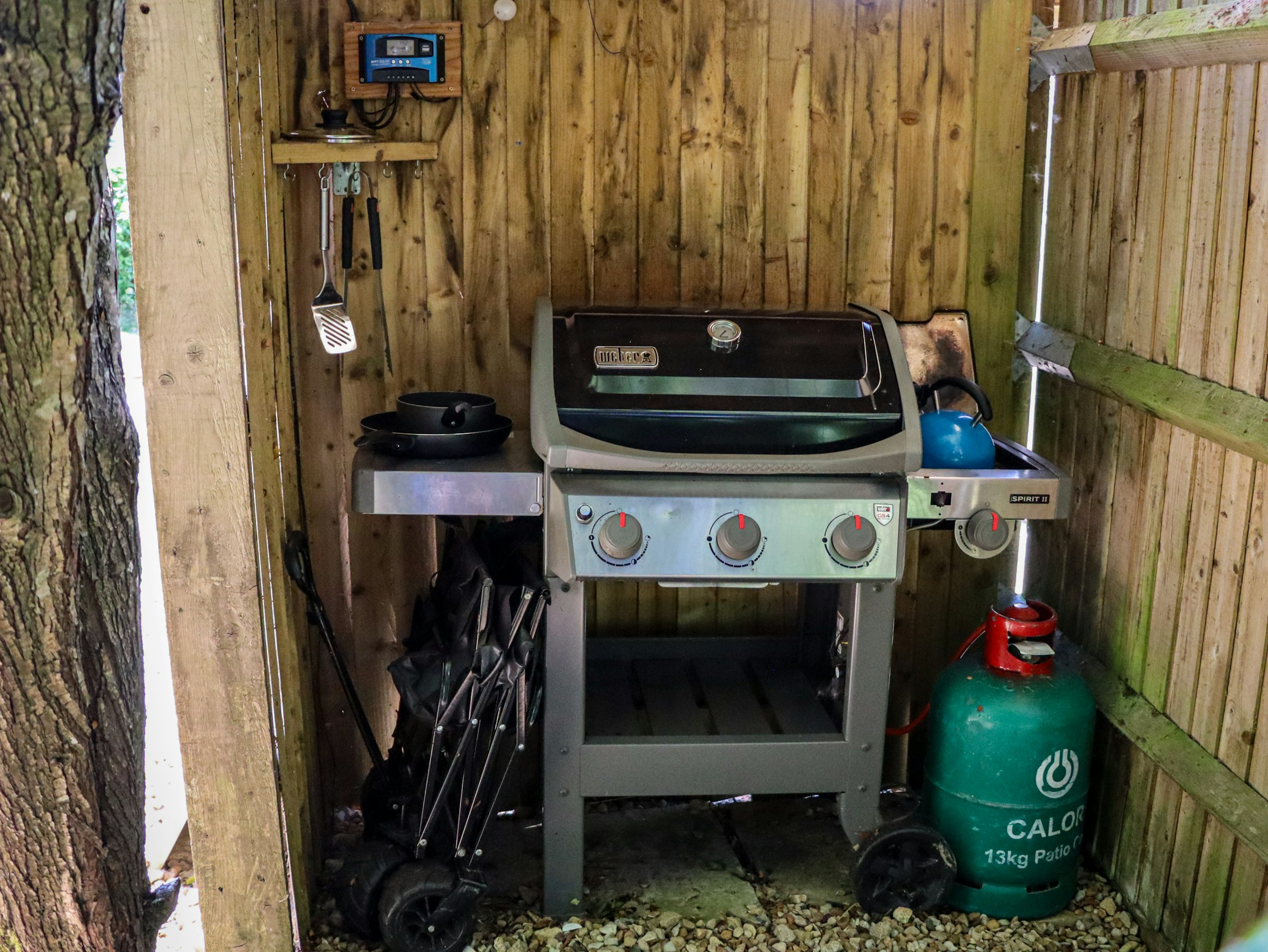
No, you should not grill in a garage, even with the door wide open. Charcoal, propane, and pellet grills all make carbon monoxide, and a garage traps it. Grills also throw heat and grease near cars, gas cans, and stored stuff that burns. Roll the grill out to the driveway, well clear of the door, walls, and roof overhangs.
Quick answer:
- Garage grilling is a no for charcoal, gas, and pellet grills. Open doors don’t fix it.
- Carbon monoxide has no smell, so you won’t know it’s building up.
- Grill in the open: driveway or patio, away from the house, eaves, and branches.
- Cold, wind, or rain? Preheat longer, keep the lid shut, and use a wind block, not a roof.
We get it. It’s 38 degrees, the wind is howling across the cul-de-sac, the family is hungry, and the garage is right there looking warm and dry. Every DFW grill boss has stood in that doorway with a spatula and a hopeful look. But the garage is where the cars, the lawn mower gas, and the paint cans live. Your grill does not want those roommates.
Can you grill in a garage with the door open?
No. An open garage door does not make grilling inside safe. A garage is a box with one open side. Smoke and carbon monoxide pool near the ceiling and drift into the house through the door to the kitchen. The U.S. Consumer Product Safety Commission warns that burning charcoal in enclosed spaces kills people every year, and says to use charcoal grills outdoors only.
Gas and pellet grills are not off the hook. Any flame that burns fuel makes carbon monoxide. Your grill’s owner’s manual almost certainly says “for outdoor use only.” That line is not there for decoration.
Why is grilling in the garage dangerous?
Three reasons: carbon monoxide, fire, and the stuff you store in a garage. Here’s how the risks stack up by grill type:
| Grill type | Main garage risk | Bottom line |
|---|---|---|
| Charcoal | Heavy carbon monoxide, even after the flames die down | Never indoors, and never store hot ash inside |
| Propane gas | Carbon monoxide, plus a gas leak near cars and pilot lights | Outdoors only. Store the tank outside too |
| Pellet | Smoke, carbon monoxide, and grease fire risk | Outdoors only, with room to vent |
| Flat-top griddle | Grease smoke and flare-ups under a low ceiling | Outdoors only |
Carbon monoxide has no color and no smell. People feel tired, dizzy, or headachy and blame the long week, not the grill. That is why it’s so sneaky. Keep the kids, the grandparents, and the dog out of the garage while anything is burning nearby, and make sure your home has working CO alarms.
Where is the safest place to put a grill?
Out in the open, away from the house, deck railings, eaves, and tree branches. The NFPA’s grilling safety tips say the same thing: use grills outdoors only, keep them well away from the home and anything that can burn, and keep kids and pets back from the grill area. Your owner’s manual lists the exact side and back clearances for your model. Check it, because they differ by brand.
Already cooking under a covered patio or in an outdoor kitchen? That’s a different setup with its own rules. Read our guide on grilling under a covered patio before you fire up.
How do you grill safely when it’s cold, windy, or raining?
Stay outside and work smarter. These tricks keep dinner on schedule without moving the grill indoors:
- Park the grill in the driveway with the back toward the wind, a good distance from the garage door. Close the garage so fumes don’t drift in.
- Preheat longer with the lid closed. Give it an extra 5 to 10 minutes in cold weather.
- Keep the lid shut. Every peek lets heat escape. “If you’re lookin’, you ain’t cookin’” is a real rule.
- Use a big umbrella over the cook, not the grill. Keep any canopy or umbrella far from the heat.
- Prep inside, grill outside. Season, slice, and set the table in the warm kitchen. Only the flip happens in the cold.
- Use a meat thermometer. Cold weather fools your timing. The thermometer doesn’t care about the forecast.
- Let it cool outside. Roll it back in only when it’s fully cold, with the gas off and the tank outside.
Hack: set a timer on your phone for each flip, then wait inside by the window. You’ll look like a grill master and keep your toes warm.
Can you store a grill in the garage?
Yes, once it’s completely cold, but leave the propane tank outside. A cold, clean grill can live in the garage. The tank cannot. Disconnect it and keep it outdoors, upright, and away from the house. Never bring a charcoal grill inside until the ashes are dead cold, and dump them in a metal can with a lid, not the trash bin.
A clean grill is safer to store, too. Old grease draws critters, and critters chew wires and nest in burner tubes. If yours hasn’t had a real clean since summer, our grill cleaning services will strip the grease and check the gas parts before the holidays.
What our techs see
We see the clues of garage grilling all the time: smoke stains on garage ceilings, melted plastic on nearby shelves, and grills stored with the propane tank still hooked up next to the water heater. We also see plenty of grills that got rolled inside still warm and full of grease. A grease tray that’s packed full is fuel waiting for a spark. Keep it clean, keep it outside while it’s hot, and keep the tank in the open.
DIY stops here
Moving your grill to a safer spot is a DIY job. Call a pro if you smell gas, see a cracked hose, have a grill that won’t stay lit in the wind, or want a built-in grill vented and checked. Serving Dallas, Fort Worth, and the whole Metroplex, Texas Grill Clean can get your grill ready for Thanksgiving and the holiday crowd. Call (817) 791-4606 or book online.
A safe, clean grill means juicy turkey breasts and burgers on the table, a family that stays warm inside, and a host who never has to explain why the smoke alarm is going off in the garage.
FAQ
Can you grill in a garage with the door open?
No. An open garage door doesn’t clear out carbon monoxide or smoke, and grills give off heat near cars, gas cans, and stored items. Texas Grill Clean tells DFW homeowners to grill only in the open, well away from the garage, house, and roof overhangs.
Is it safe to use a propane grill in the garage?
No. Propane grills make carbon monoxide when they burn, and a leaking hose or valve can fill a closed garage with gas near cars and water heaters. Use your propane grill outdoors only. Texas Grill Clean checks hoses, regulators, and burners for DFW homeowners during a grill cleaning.
Can I store my grill in the garage?
Yes, once the grill is fully cold and clean, and with the propane tank disconnected and stored outside. Never bring a charcoal grill in with warm ashes. Texas Grill Clean can deep clean your grill before winter storage anywhere in Dallas-Fort Worth.
How far should a grill be from the house?
Keep the grill well away from the house, deck railings, eaves, and branches, and follow the exact clearances in your grill’s owner’s manual, since they vary by model. Texas Grill Clean can help DFW homeowners check placement and venting for freestanding and built-in grills.
What are the signs of carbon monoxide poisoning from a grill?
Common signs are headache, dizziness, weakness, nausea, and confusion, and they’re easy to blame on something else. If anyone feels sick near a running grill, move everyone to fresh air and call 911. Texas Grill Clean always advises DFW families to grill outdoors only and keep CO alarms working.
Written by the Texas Grill Clean team. Cleaning and repairing DFW grills since 2015.
Leave a Comment