
 3302 Westgrove Drive Arlington, TX 76001


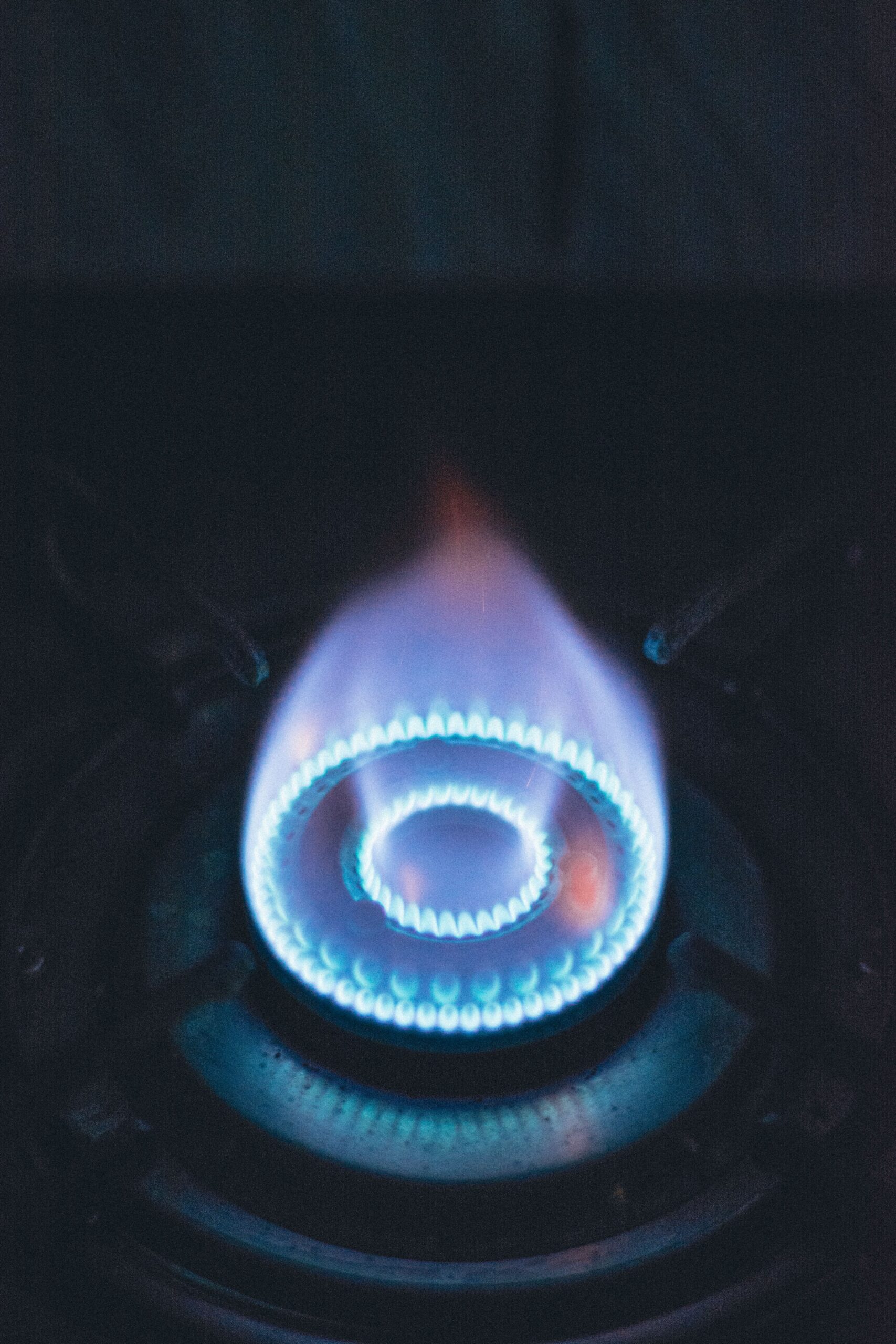
Low flames on every burner of a propane grill almost always mean the regulator is stuck in bypass mode, a built-in safety state that chokes gas flow to a trickle. The fix takes two minutes: close the tank valve, disconnect the regulator, wait a full minute, reconnect, and open the valve slowly. No parts, no tools.
Our techs see this constantly across Fort Worth, Arlington, and Grand Prairie, usually right after a tank swap. The homeowner assumes the grill is dying. Nine times out of ten it’s the regulator doing exactly what it was designed to do. Here’s how to tell, how to fix it, and what to check when the reset doesn’t work.
What Is Bypass Mode on a Propane Grill?
Bypass mode is a safety feature inside your regulator that cuts gas flow to a fraction of normal when it thinks there’s a leak. According to Weber’s support team, every Weber propane hose and regulator made since 1995 includes this gas detection device, and when it trips, gas flow drops to roughly 10% or less of normal volume. Other major brands like Blaze, Napoleon, Char-Broil, and Nexgrill use the same style of excess-flow device because federal rules require it.
The device can’t tell the difference between a real leak and an eager griller. Open the tank valve fast with a burner knob already on, and the sudden rush of gas looks like a leak to the regulator. It trips, and now every burner runs weak no matter what you do with the knobs.
How Do I Know My Regulator Is in Bypass and Not Something Else?
If every burner is weak at the same time, suspect the regulator; if only one burner is weak, suspect that burner. Bypass mode chokes the whole manifold, so the symptom shows up everywhere at once: small yellow-orange flames, a grill that won’t climb past 250°F to 300°F with the lid closed, and burners that light but never roar.
One cold burner with the rest running strong is a different problem, usually clogged ports or a spider web in the venturi tube. We covered that in our guide to why a grill won’t get hot on one side. And if your flames light fine but die when you shut the lid, that’s its own diagnosis.
How Do I Reset a Regulator Stuck in Bypass?
Shut everything off, disconnect the regulator from the tank, wait 60 seconds, reconnect, then open the tank valve slowly. Here’s the full sequence:
- Turn every burner knob to OFF. Check twice. A knob left on is the most common reason the reset fails.
- Close the propane tank valve all the way (clockwise).
- Unscrew the regulator coupling from the tank by hand.
- Wait 60 seconds. This lets the tripped valve inside the regulator release.
- Reconnect the regulator hand-tight. No wrench.
- Open the tank valve slowly. A quarter turn, pause a breath, then the rest of the way.
- Open the lid, turn one burner to HIGH, and light it.
A healthy burner shows a mostly blue flame with real body to it. If you got your strong flame back, you’re done. Make slow tank-valve opening a habit and it won’t trip again.
What If the Reset Doesn’t Fix the Low Flames?
If two reset attempts fail, check for a leak, a kinked hose, or a nearly empty tank before you condemn the regulator. Work through these in order:
| Symptom | Likely cause | Fix |
|---|---|---|
| Reset works, then trips again next cookout | Valve opened too fast, or a knob left on | Slow down the lighting sequence |
| Reset never restores flame | Leak, kinked hose, or failed regulator | Soap test, straighten hose, replace regulator |
| Flames sputter and shrink mid-cook | Tank nearly empty | Weigh or swap the tank |
| Low flames plus gas smell | Real leak at a connection | Shut the tank off, soap test every joint |
| Low flames on natural gas grill | Undersized or pinched supply line, debris in the orifices | Professional diagnosis |
The soap test is simple. Mix dish soap and water, brush it on the tank connection, hose, and regulator with the tank valve open and burners off, and watch for growing bubbles. Bubbles mean a leak. The regulator tripped for a real reason, and you should stop and fix that first. If you smell gas at any point, follow the safety steps in our guide to finding a propane leak safely.
Can a Dirty Grill Cause Weak Flames Too?
Yes. Carbon-clogged burner ports and grease-choked orifices weaken flames even when the regulator is healthy. This is the slow version of the same symptom. Instead of dropping off a cliff after a tank swap, the flames fade over months as buildup closes off the ports where gas exits the burner tube.
It’s a safety issue, not just a performance issue. According to the National Fire Protection Association, U.S. fire departments responded to an average of 12,141 home grill fires per year from 2020 to 2024, and 76% of those fires involved gas grills. An uncleaned grill was the leading factor. In DFW, where pollen, dust, and year-round grilling pile buildup on fast, we recommend a deep clean at least once a year. Deep cleans start at $239, and current rates are on our pricing page.
When Should I Call a Pro Instead?
Call a pro when the reset fails twice, when you find a leak you can’t trace, or when a natural gas grill runs weak. Regulators do wear out. The rubber diaphragm inside ages in Texas heat, and a failed one can’t be repaired, only replaced with the right part for your grill’s BTU load. Natural gas problems, like a pinched flex line or debris in the manifold, need someone qualified to work on gas.
Our gas grill repair techs diagnose regulator, valve, and burner problems across the Metroplex, from Fort Worth to Arlington and the rest of our service area. Estimates are free.
Frequently Asked Questions
How do I know if my grill regulator is in bypass mode?
Every burner will show small, weak, often yellowish flames at the same time, and the grill won’t climb past roughly 250°F to 300°F even on high with the lid closed. If the weakness started suddenly, usually right after swapping propane tanks, bypass mode is the most likely cause.
Why does my grill keep going into bypass after every tank swap?
You’re probably opening the tank valve too fast or leaving a burner knob on while you connect the tank. The regulator reads that sudden rush of gas as a leak and trips. Turn every knob off first, then open the tank valve a quarter turn, pause, and open it the rest of the way slowly.
Can a low propane tank cause weak flames?
Yes. A nearly empty tank can’t hold pressure, so flames shrink and sputter, especially with several burners running. A standard 20-pound tank weighs about 17 pounds empty and about 37 pounds full, so a bathroom scale tells you what’s left. Swap the tank before blaming the regulator.
Do propane regulators wear out?
They do. The diaphragm inside is rubber, and Texas heat ages it. If two proper reset attempts fail and a soap test shows no leaks, the regulator has likely failed internally. Replace it rather than trying to repair it, and match the replacement to your grill model.
Does a natural gas grill have bypass mode?
Most natural gas grills don’t use the same excess-flow regulator, so a classic bypass trip is rare. Weak flames on natural gas usually trace to a partially closed shutoff valve, a pinched or undersized flex line, or debris in the orifices. Those are jobs for a professional rather than a DIY reset.
Will cleaning my grill make the flames stronger?
Often, yes. Carbon and grease slowly close off burner ports, which shrinks flames and creates cold spots. A professional deep clean opens the ports, clears the venturi tubes, and degreases the firebox. If your flames have faded gradually over months rather than overnight, buildup is the more likely culprit than the regulator.
If your grill still won’t run strong, we’ll figure out why. Book an appointment online or call (817) 791-4606. Texas Grill Clean is part of 1st Choice Residential, veteran-owned and serving Dallas–Fort Worth since 2009.