
 3302 Westgrove Drive Arlington, TX 76001


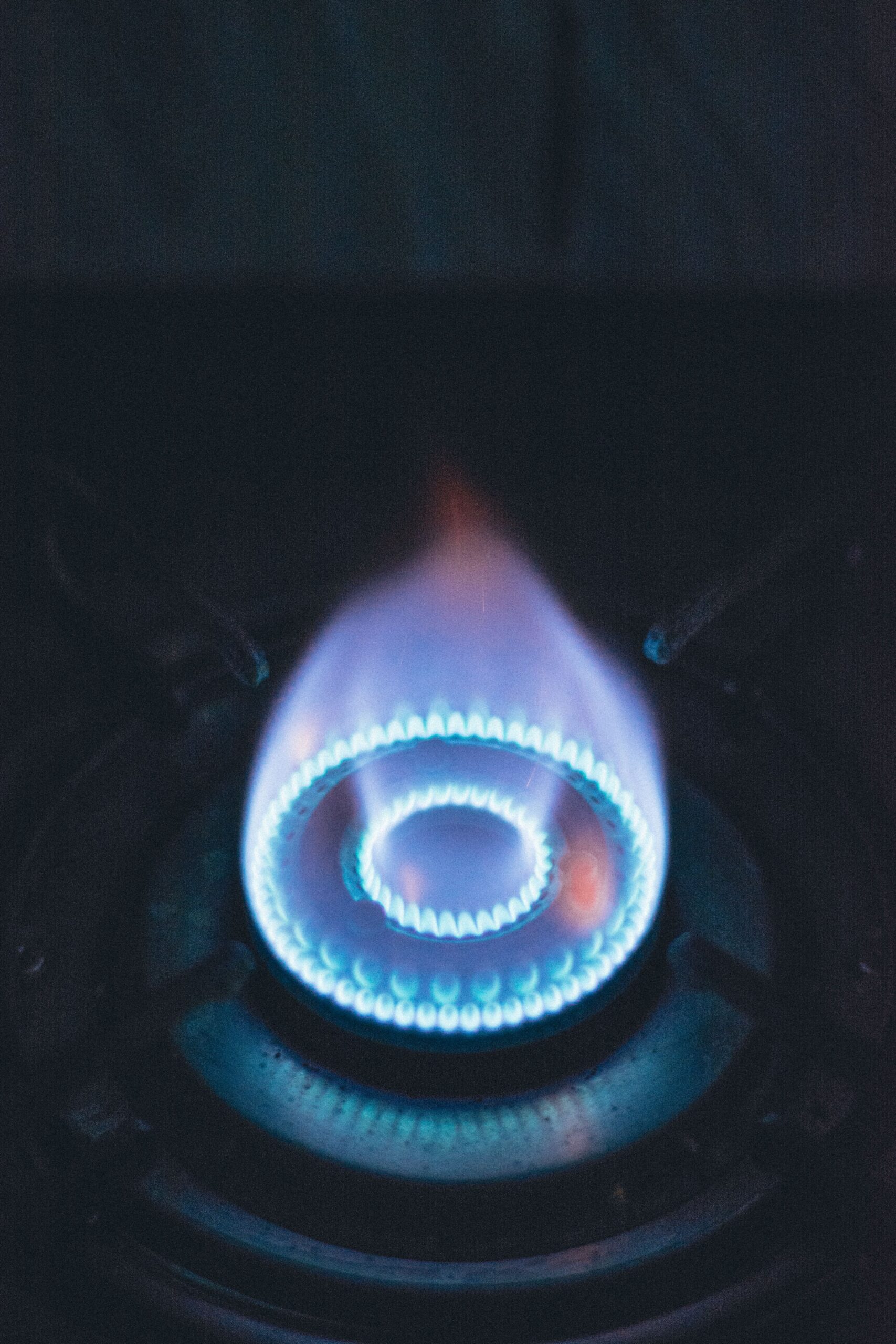
Gas grill flames that die when you close the lid almost always mean the burner is short on gas, short on air, or both. The four usual causes are a regulator stuck in bypass, clogged burner ports, a spider web in the venturi tube, and a grease-caked firebox choking off combustion air. Start with a regulator reset.
Lid up, steady blue flame. Lid down, the whoosh drops off and two minutes later you’ve got a cold grate. Our crews get this call across DFW, from Weber Genesis carts in Grand Prairie to built-in Blaze and Lynx islands in Colleyville.
Why does closing the lid make the flames go out?
Closing the lid cuts the free air your burners were pulling from the open firebox. A healthy burner has enough gas and enough air to keep burning under those conditions. A burner that’s already marginal, running on a fraction of normal gas flow or breathing through a half-blocked venturi, only stays lit while air is unlimited.
So the lid isn’t the problem. The lid is the test, and it exposes a restriction that was already there.
Is your regulator stuck in bypass mode?
Bypass is the most common cause, and it’s free to fix. Every propane regulator built since the mid-1990s has a federally mandated excess-flow safety device inside. If gas rushes through too fast when you open the tank valve, the device reads a leak and clamps down.
According to Weber’s troubleshooting guide, a regulator in bypass reduces gas flow to about 10 percent or less of normal volume. That’s enough to light a burner with the lid open. It is not enough to hold a flame with the lid closed.
How do you reset a grill regulator?
- Turn every control knob to OFF, including the side burner.
- Close the valve on top of the propane tank all the way.
- Disconnect the regulator from the tank and wait about a minute.
- Reconnect the regulator hand-tight. No wrench.
- Open the lid, open the tank valve slowly, and wait several seconds for pressure to build before touching a knob.
- Light the burners, set them to high, and close the lid.
Weber’s guide says a working grill should hit 500 to 550°F within 10 to 15 minutes with all burners on high and the lid closed. If yours does, the reset worked. Same flameout after two attempts means the regulator has failed. One habit prevents most repeats: open the tank valve slowly, knobs off, every time.
Can a spider web really kill a burner?
Yes, and it’s the cause homeowners never guess. Small spiders are drawn to mercaptan, the odorant added to propane, and they nest inside the venturi tubes where the burner draws combustion air. A web in that tube starves one burner while the others run fine.
The tell is that the failure is isolated. One burner drops out when the lid closes and the rest hold. You may also hear a hiss from behind the control panel before it quits, which can point to a flashback fire. We cover that in our guide to spider webs and gas grill fire risk in DFW.
Fixing it means pulling the burner tubes and running a flexible brush through each venturi. The obstruction sits inside the tube, upstream of anything you can reach through the grate.
Are clogged burner ports or dirty flame tamers choking the burn?
Carbon and hardened grease block the small ports along the burner tube, and a caked firebox restricts the air the burner needs to breathe. Both get worse in North Texas heat, where drippings bake into a shell a wire brush skates over.
Check the flame pattern with the lid open. A healthy burner runs an even row of small blue cones. Gaps, orange tips, or flames leaning toward one end mean the ports are partly blocked. Flame tamers matter too: buried under carbon, they trap heat and disrupt airflow through the firebox. If your food has started tasting sharp, that’s the same buildup, explained in why grilled food tastes bitter.
Could your outdoor kitchen island be the problem?
Built-in grills draw combustion air from inside the island cavity, so a poorly vented island starves the burners the moment the lid comes down. We see this constantly in Frisco, Keller, McKinney, and Grapevine, where custom stone islands get built by a mason rather than a grill installer.
Per the Blaze Professional grill manual, all built-in islands must be ventilated, and stainless vent panels are sold to cover those openings. LP gas is heavier than air and settles into the bottom of the cavity, which is why low cross-ventilation is required. Vents sealed by a remodel or stuffed with cushion bags starve the grill above. Side and power burners in that island fail the same way: see our side burner diagnostic guide.
How do you tell which cause you have?
Match the symptom pattern to the cause before you buy a single part. This is what our techs run through in the driveway.
| What you see | Most likely cause | First move |
|---|---|---|
| All burners weak, even with the lid open | Regulator in bypass | Full regulator reset |
| One burner dies, the rest hold steady | Spider web or debris in that venturi | Pull and brush the burner tube |
| Uneven blue cones, gaps along the tube | Clogged burner ports | Clear each port, deep clean the firebox |
| Holds on high, dies on low with the lid down | Restricted airflow from carbon buildup | Strip and clean flame tamers and firebox |
| Built-in grill only, worse over time | Blocked or missing island vents | Clear vent panels, check the cavity |
| Hissing under the control panel | Possible flashback | Shut off gas, stop using it, call a pro |
Why is this a safety issue and not just an annoyance?
A grill that keeps dropping out keeps releasing unburned gas into a hot firebox. That’s the setup for a whoosh on the next relight. According to the NFPA’s Home Grill Fires report, failure to clean is the leading factor contributing to home grill fires, and gas-fueled grills account for the large majority of them. The buildup causing your flameout causes grill fires too.
When should you call a professional in DFW?
Call when the regulator reset fails twice, when a burner won’t hold after cleaning, or when you smell gas. Call too if it’s a built-in, since pulling burners means removing the grill head.
Our grill restoration and deep cleaning strips the firebox, burners, venturi tubes, flame tamers, and grates to bare metal, which resolves most airflow-related flameouts. When the failure is mechanical, our gas grill repair team handles regulators, valves, igniters, and burners. Deep cleans start at $239; see the pricing page.
We service Colleyville, Grapevine, and the rest of the Metroplex. See our service areas page. Free estimates, licensed and insured.
Frequently asked questions
Why do my grill flames go out when I close the lid?
Closing the lid limits the free air your burners pulled from the open firebox. A burner already short on gas or air stays lit with the lid up and dies with the lid down. The most common causes are a regulator stuck in bypass, clogged burner ports, a spider web in a venturi tube, and carbon buildup.
How do I know if my grill regulator is in bypass?
The giveaway is weak flames on every burner at once, not just one. Weber states that a regulator in bypass drops gas flow to roughly 10 percent of normal volume. Perform a full reset: knobs off, tank valve closed, regulator disconnected for a minute, then reconnect and open the tank valve slowly before lighting anything.
Can a dirty grill actually make the flames go out?
Yes. Hardened grease and carbon block the small ports along the burner tube and coat the flame tamers, which restricts the airflow path through the firebox. In North Texas heat those drippings bake into a shell a wire brush will not remove. The burner runs marginal with the lid open and quits when the lid closes.
Is it safe to keep relighting a grill that keeps going out?
No. Every failed light cycle releases unburned gas into a hot firebox, which sets up a flashback or a whoosh on the next attempt. If you smell gas, hear hissing under the control panel, or see flame anywhere outside the burner tubes, shut the tank valve off and stop using the grill until it has been inspected.
Does this happen to built-in grills too?
Built-in grills are more prone to it. They draw combustion air from inside the island cavity, and Blaze’s installation manual requires those islands to be ventilated with proper vent panels. When vents get sealed during a remodel or blocked by stored cushions and bins, the grill above loses its air supply and flames drop when the lid closes.
Will a new propane tank fix the problem?
Sometimes, but not for the reason people think. A nearly empty tank can deliver low pressure, but far more often the issue is the regulator going into bypass because the tank valve was opened too fast. Swap the tank if it feels light, and reset the regulator either way, opening the valve slowly with all knobs off.
Get it diagnosed instead of guessing
Reset the regulator twice and the flames still drop? The restriction is inside the grill. Book an appointment online or call (817) 791-4606.
Texas Grill Clean is part of 1st Choice Residential, veteran-owned and serving Dallas-Fort Worth since 2009. Licensed and insured. Free estimates.