
 3302 Westgrove Drive Arlington, TX 76001


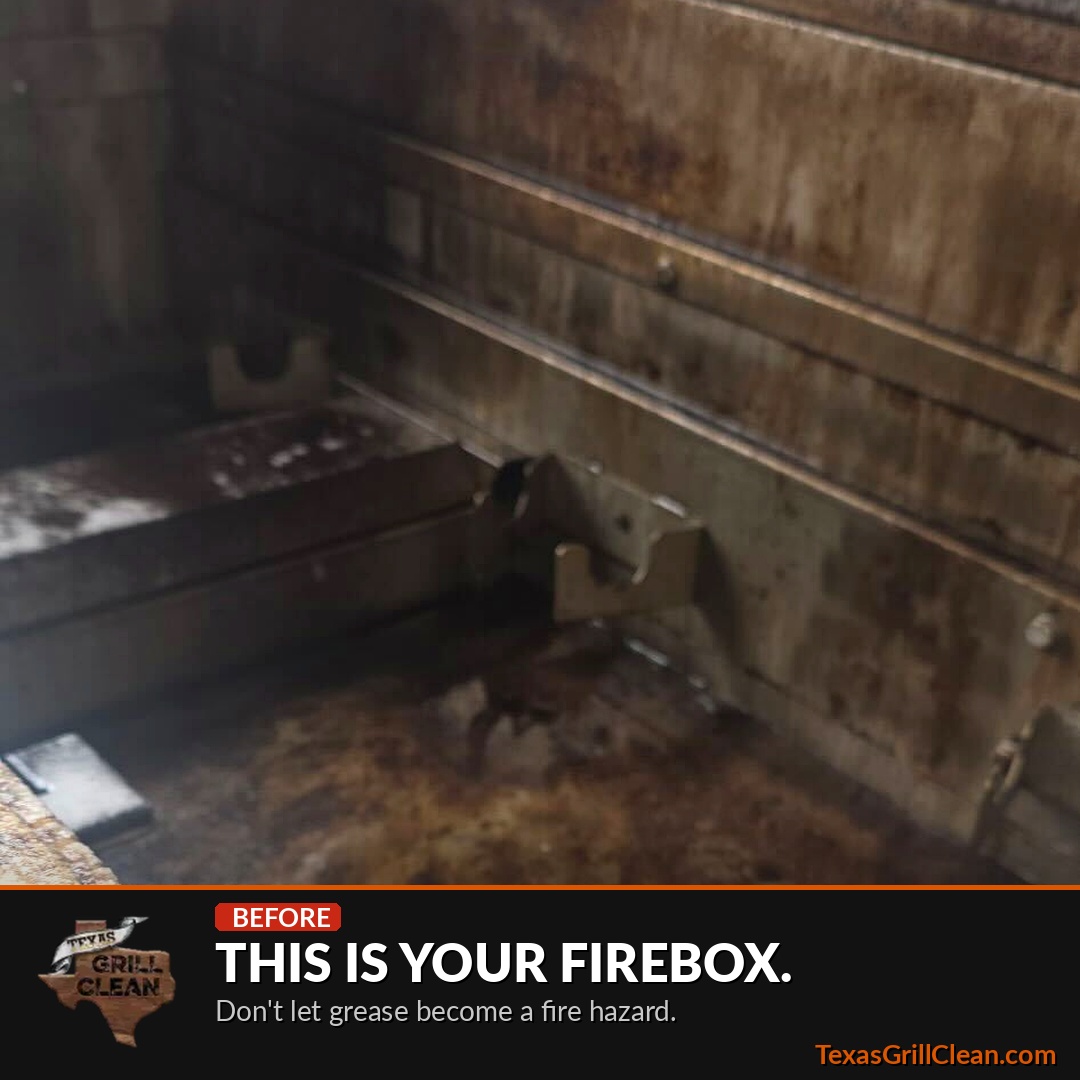
A gas grill that only gets hot on one side almost always has a gas delivery problem, not a broken grill. The usual causes are clogged burner ports, a spider web in the venturi tube, carbon-caked flame tamers, or a propane regulator stuck in bypass mode. Clean the burners and firebox first. Replace parts second.
We see this call constantly across Grand Prairie, Colleyville, and the rest of the Metroplex. Somebody sears a steak on the left side while the right side barely browns a hot dog. Nothing is broken. The grill just isn’t moving gas the way it was built to.
Why does one side of my gas grill stay cold?
One cold zone means gas or heat isn’t reaching that section, and the fix depends on which one.
Gas travels from the manifold, through the valve and orifice, into the venturi tube, and out through dozens of tiny ports along the burner. Anything blocking that path starves one section. Heat then spreads through flame tamers, heat plates, or ceramic briquettes depending on your brand. Four things break that chain:
- Clogged burner ports. Grease bakes into carbon right on the burner tube. Ports closest to the drip zone plug first, which is why the middle of a burner often dies before the ends.
- Spider webs in the venturi. Mud daubers build inside the venturi tube because propane’s odorant attracts them. A partial web chokes air and gas together.
- Carbon-loaded flame tamers. A flame tamer under a quarter inch of hardened grease doesn’t spread heat. It insulates against it.
- Regulator in bypass. This starves the whole grill, but people read it as uneven because the burner nearest the manifold still throws a decent flame.
How do I tell a clogged burner from a bad regulator?
Run each burner alone on high with the grates and flame tamers removed, and watch the flame pattern.
That test separates most of these problems in about five minutes.
| What you see | Likely cause | What fixes it |
|---|---|---|
| Flame strong at one end, dies partway down the tube | Clogged burner ports | Brush the tube, clear each port with stiff wire or a drill bit sized to the port |
| Yellow or lazy orange flame, hiss under the control panel | Spider web in the venturi | Pull the burner, clean the venturi, replace the spider screens |
| Every burner weak, grill tops out near 300°F | Regulator in bypass | Reset the regulator using the sequence below |
| Flame looks fine, food still cooks unevenly | Carbon-caked or warped flame tamers | Deep clean the diffusers, replace warped ones |
| Ports eroded into one long slot, or rust holes in the tube | Burner is done | Replace the burner tube, not the grill |
According to Weber, every propane hose and regulator sold in the U.S. since roughly 1995 contains a federally mandated safety device that watches for gas leaks, and when it trips it cuts gas flow to about 10% or less of normal volume. That’s why a healthy grill can suddenly act dead.
How do I reset a propane regulator stuck in bypass?
Turn everything off, disconnect, wait, then reconnect and let pressure build before you touch a knob.
- Turn every burner knob to OFF, including the side burner.
- Close the valve on top of the propane tank all the way.
- Disconnect the regulator from the tank.
- Open the grill lid and wait 60 seconds for gas to clear the hose.
- Reconnect the regulator hand-tight. No wrench.
- Open the tank valve slowly, then all the way.
- Wait several seconds. People skip this step, and it’s the one that lets pressure push the safety device back into position.
- Light one burner on high, then bring the rest up.
If two attempts don’t restore full flame, the regulator has failed. Cheap part, fast swap, covered under our gas grill repair service.
How hot should a gas grill actually get?
All main burners on high with the lid closed should put a working gas grill at 500 to 550°F within 10 to 15 minutes.
According to Weber, that’s the range a properly functioning grill should reach. If yours stalls at 350, you have a restriction somewhere. If it sears fine but the gauge reads low, suspect the lid thermometer. Gauges on Weber Genesis, Napoleon, Bull, and Summerset units fog up and fail constantly.
Built-ins behave differently. A Blaze, Lynx, DCS, or Alfresco head sits in a masonry island that soaks up heat on the first cook of the season. Give it longer to stabilize before calling it a problem.
Is uneven heat a safety issue or just annoying?
It’s both, because the buildup that blocks heat is the same buildup that feeds a grease fire.
According to the National Fire Protection Association, U.S. fire departments responded to an annual average of 12,141 home fires involving grills, hibachis, or barbecues between 2020 and 2024. July is the peak month. That’s the stretch when North Texas grills get used hardest and cleaned least.
A cold zone tells you carbon has taken over part of the firebox. Grease thick enough to insulate a flame tamer is thick enough to catch. If you also see flare-ups you can’t control or flames creeping under the control panel, stop cooking and read our guide on spiders and flashback fires in DFW grills.
Can I fix uneven heat myself?
Yes, if the burners are dirty and intact. No, if they’re corroded through or the problem is in the manifold.
Two hours and a wire brush will clear burner ports, scrape flame tamers, and empty a grease tray. Our walkthrough on cleaning gas grill burners covers that job. Call somebody when you hit any of these:
- Burner tubes with rust holes, cracks, or split seams
- Gas smell near the manifold or valve stems
- Flames that lift off the ports or burn yellow after a full cleaning
- A built-in head you’d have to pull out of a masonry island
- A firebox floor that has rusted through
What does a professional deep clean actually include?
A real deep clean is a teardown, not a wipe-down.
What our crew finds on an uneven-heat call is unglamorous: a firebox holding a season’s worth of carbon, flame tamers welded shut with grease, one venturi packed with a web. We pull the grates, flame tamers, burners, and heat shields, degrease the firebox to bare metal, clear every port, clean the venturi tubes, and check flame pattern on every burner before reassembly. Our grill restoration and deep cleaning starts at $239. Full breakdown on our pricing page.
We run this across the Metroplex, including Grand Prairie and Colleyville. Full list on our service areas page. Weighing a repair against a new grill head? Read repair or replace a built-in grill first.
Frequently Asked Questions
Why does my grill get hot on the left but not the right?
Usually the burner on the cold side is partially clogged. Grease and carbon block the small ports along the burner tube, so gas can’t spread evenly down its length. A spider web in the venturi tube does the same thing. Pull the grates and flame tamers, run each burner alone on high, and watch where the flame stops.
Can a dirty grill really cause uneven heating?
Yes. Carbon buildup on flame tamers and heat plates blocks heat from spreading across the cooking surface. Clogged burner ports starve one section of gas. A grease tray packed full traps heat in one zone and chokes airflow. Cleaning the firebox and burners fixes most uneven-heat complaints without a single replacement part.
What is bypass mode and how do I get out of it?
Bypass is a safety feature built into the propane regulator. It thinks it sees a leak and cuts gas flow way down. To reset it, turn every knob off, close the tank valve, disconnect the regulator, wait a minute, reconnect hand-tight, open the tank valve slowly, wait several seconds, then light one burner.
How hot should my gas grill get with all burners on high?
Weber says a properly working gas grill should reach 500 to 550 degrees Fahrenheit after 10 to 15 minutes with all main burners on high and the lid closed. If yours tops out around 350, something is restricting gas flow or the lid thermometer has failed. Check both before replacing anything.
Do burner tubes need replacing or just cleaning?
Clean first. Most burners in DFW backyards are dirty, not dead. Replace a burner when you see rust holes, cracks, split seams, or ports that have eroded into one long slot. Those burners throw an uneven flame no matter how well you clean them, and they can flare in the wrong places.
How often should a DFW grill get a professional deep clean?
Once a year for a homeowner who grills a few times a month. Twice a year if you cook weekly or run a built-in in an outdoor kitchen. North Texas pollen, heat, and humidity speed up buildup. Our deep clean starts at $239 and includes burner, venturi, and firebox work.
Is uneven heat dangerous or just annoying?
It can be both. The same grease and carbon that block heat also feed flare-ups and grease fires. The National Fire Protection Association counted an annual average of 12,141 home grill fires in the U.S. between 2020 and 2024. Uneven heat is often the first sign a firebox needs real attention.
Get the flame pattern back
If your grill has a cold side and you’d rather cook than diagnose, we’ll handle it. Book an appointment or call (817) 791-4606. Free estimates, licensed and insured.
Texas Grill Clean is part of 1st Choice Residential, veteran-owned and serving Dallas–Fort Worth since 2009. 3302 Westgrove Drive, Arlington, TX 76001.