
 3302 Westgrove Drive Arlington, TX 76001


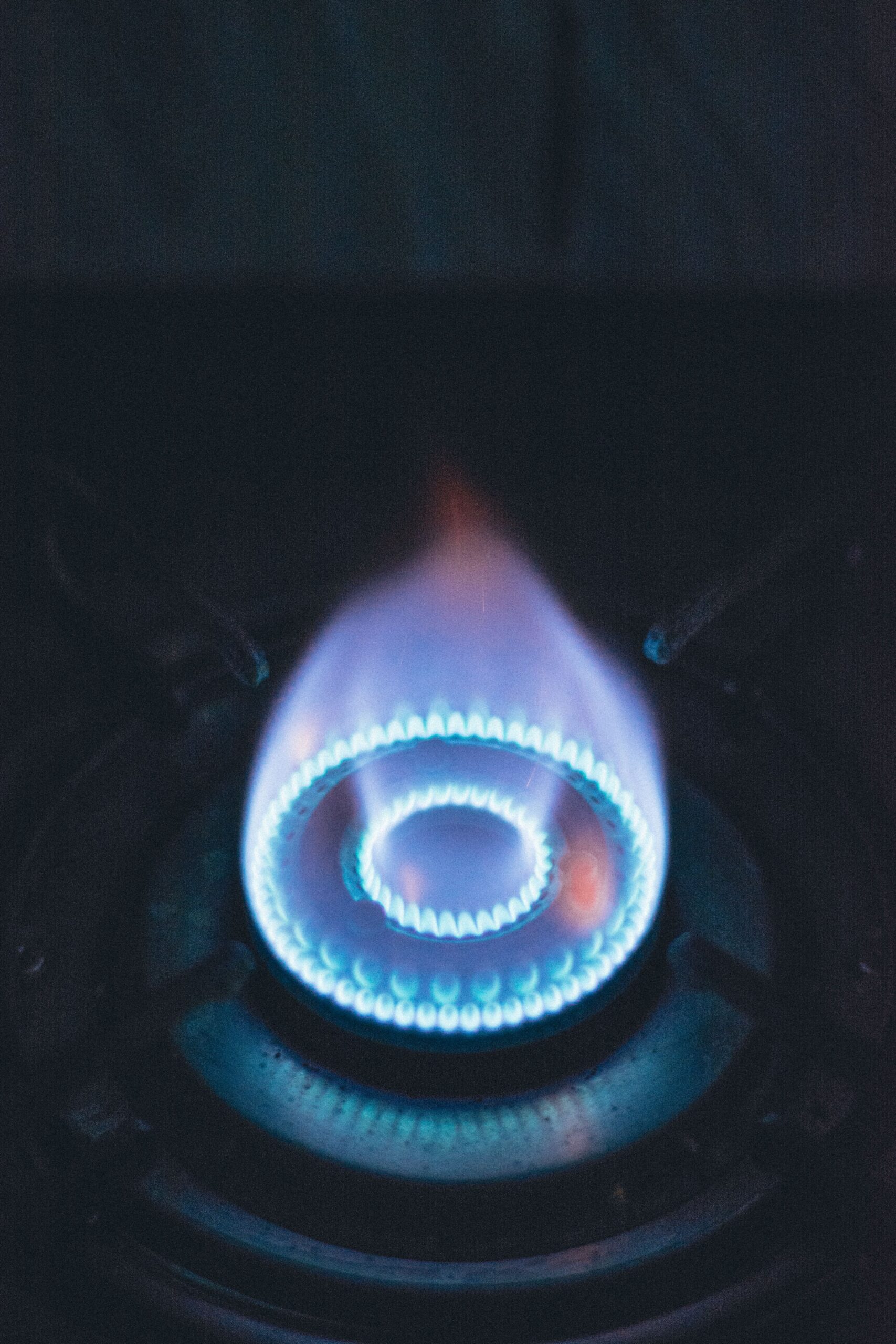
If your gas grill’s flame has gone from a crisp blue to yellow or orange, that’s not just a cosmetic quirk — it’s the burner telling you combustion isn’t happening the way it should. According to Propane Iowa, a properly tuned blue flame burns at roughly 3,596°F, while a yellow or orange flame drops to around 1,832°F — close to half the heat, which is exactly why food cooks unevenly and takes longer once this starts happening.
What Blue vs. Yellow Actually Means
Blue means complete combustion: the fuel-to-air ratio is correct, there’s enough oxygen reaching the flame, and propane or natural gas is burning cleanly. Yellow or orange means incomplete combustion — usually from a burner that’s out of adjustment or an air inlet that’s partially blocked, often by burnt food particles, grease residue, or debris sitting in the venturi tube (the metal tube that mixes gas and air before it reaches the burner).
It’s not just a performance problem. Incomplete combustion can release carbon monoxide, and yellow flames typically leave soot or carbon buildup around the burner ports — both signs worth taking seriously, not just cooking around.
The 2-Minute Check Most Homeowners Can Do Themselves
Before assuming the worst, look at three things:
The burner ports. Turn the grill off and let it cool completely, then look at the small holes along the burner tube. Caked grease or rust flakes blocking even a few ports can throw off the flame pattern enough to turn part of it yellow. A brass wire brush (not steel — it can scratch and accelerate rust) run gently along the ports clears most of this.
The venturi tube opening. This is the tube between the control knob and the burner where gas and air mix before ignition. Spiders and mud dauber wasps love building nests inside these openings over the winter — it’s one of the single most common causes of a yellow, lazy, or uneven flame we see on service calls, and it’s a five-minute fix with a pipe cleaner or venturi brush.
The air shutter. Some grills have an adjustable air shutter near the valve that controls how much air mixes with the gas. If yours has one and it’s gotten bumped or over-tightened, opening it slightly can restore a clean blue flame on the spot.
Why This Shows Up More in DFW and on the Gulf Coast
Two very different climates, same result. In North Texas, spring pollen and dry summer dust settle into venturi tubes and burner ports between uses, and the long stretch of 100°+ weeks bakes grease into a harder, more stubborn carbon than cooler climates ever produce. On the Gulf Coast, it’s humidity and salt air instead — moisture keeps grease from fully drying and hardening, so it stays tacky and traps more debris, while salt air accelerates corrosion on burner tubes and ports that are already partially blocked. Either way, the burner ends up doing more work to move the same amount of gas through a narrower path, and the flame color is the first visible sign of it.
When It’s Not a DIY Fix
If you’ve cleared the ports, checked for nests, and the flame is still yellow — or if it’s yellow on every burner rather than just one — the cause is usually deeper than something a brush can reach: a corroded burner tube, a failing gas pressure regulator, or grease buildup inside the burner itself rather than just the ports. Regulators and internal burner corrosion aren’t something to troubleshoot by trial and error on a gas appliance; that’s exactly the point where a professional deep clean and inspection is worth it rather than a guess. Our grill deep clean (from $239) includes a full burner and venturi tube breakdown, port-by-port cleaning, and a flame check before we leave — restore it, don’t replace a grill that’s otherwise in good shape.
Frequently Asked Questions
Is a yellow grill flame dangerous?
It can be. Incomplete combustion can produce carbon monoxide, and while an open-air grill disperses it far more than an indoor appliance would, a persistently yellow flame combined with a strong gas smell or soot buildup is worth stopping and having checked rather than continuing to cook on it.
Why is only one burner yellow and not the others?
That’s actually the more common pattern, and it usually points to something localized — a clogged port or a nest in that one venturi tube — rather than a gas supply or regulator issue, which tends to affect every burner at once.
Can I just turn up the gas to compensate for weaker heat?
No — that doesn’t fix incomplete combustion, it just burns more fuel through the same restricted path and can make the yellow flame worse, not better.
How often should I check my burner ports?
Once a season is a reasonable baseline for regular grillers, and sooner if you notice uneven heat, soot on food, or a flame that looks different than it used to.
Does a yellow flame mean I need a new grill?
Almost never. Burner issues are one of the most common and most fixable grill problems we see — a full grill, even an expensive built-in, is rarely the actual problem when the flame color changes.
Leave a Comment