
 3302 Westgrove Drive Arlington, TX 76001


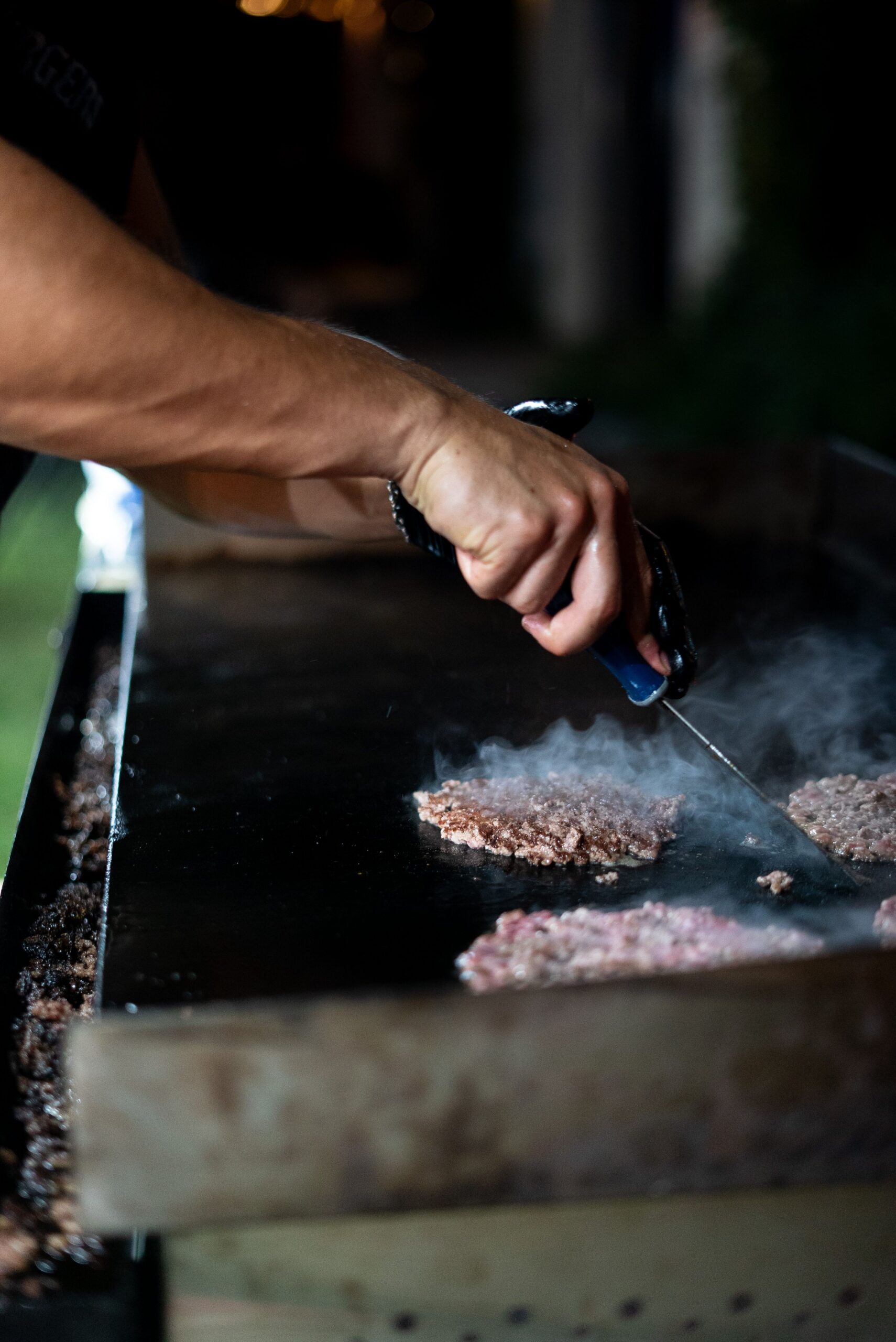
If you’ve been hosing off your Blackstone, scrubbing it with dish soap, and wondering why it’s rusting by June, you’re not alone — and you’re not doing anything “wrong” by instinct. You’re just cleaning it like a grill. A flat-top griddle isn’t a grill. It’s a slab of bare steel that only stays rust-free because of a seasoning layer you built on purpose, and most of the popular Blackstone cleaning advice floating around Facebook groups quietly destroys that layer one wipe-down at a time.
Here’s what’s actually happening on that cooktop, what Blackstone’s own care instructions say to do, and where DFW humidity and Gulf Coast salt air make the job harder than the owner’s manual admits.
It’s Bare Steel, Not a Non-Stick Pan
A Blackstone griddle top is cold-rolled steel — the same family of material as a cast iron skillet, just thinner and flatter. It has no factory non-stick coating. Every bit of the slick, dark, food-releasing surface you’re used to is seasoning: layers of oil that have been heated past their smoke point until they polymerize into a hard, bonded film. That film is the only thing standing between your griddle top and bare, reactive steel.
That distinction is why “how do I clean my griddle” and “how do I clean my Teflon pan” have completely different answers. Strip the seasoning with soap, a wire brush, or an oven cleaner, and you haven’t cleaned the griddle — you’ve undressed it and left raw steel exposed to air and moisture.
The After-Every-Cook Routine
This is the one habit that prevents 90% of griddle problems, and it takes about three minutes while the top is still hot:
- Scrape — While the surface is still warm, use a metal griddle scraper to push food debris and excess grease toward the grease trap.
- Steam it loose — Pour a small amount of water onto the hot surface (never onto a cold or fully cooled top) and use the scraper and a griddle pad to lift stuck-on residue. The steam does the scrubbing for you.
- Dry completely — Wipe the water off with paper towels or a clean cloth. Any water left standing is what starts a rust spot.
- Oil it thin — While it’s still warm, wipe on a very light coat of cooking oil with a paper towel until the surface looks matte, not glossy or puddled.
Notice what’s missing: soap. Once a griddle is seasoned, soap doesn’t belong in the routine anymore — it strips the oil polymer you just spent an hour building.
Re-Seasoning the Right Way
According to Blackstone’s own seasoning guide, the only time soap and water touch a new griddle is the very first cleaning, to remove the factory protective coating — after that, seasoning takes over. Their process, in short:
- Wash once with mild dish soap and water, then rinse and dry completely (first use only).
- Heat the griddle on high for 10–15 minutes until the surface starts to change color.
- Apply a very thin layer of oil — canola, flaxseed, vegetable oil, or Blackstone’s own conditioner all work — wiped on with a paper towel until it looks almost dry, with no puddles.
- Let it heat until it smokes and the smoke thins out, roughly 15–20 minutes, which is the oil bonding to the steel.
- Repeat that thin-oil, heat-to-smoking cycle three to four times before the first cook.
The instruction Blackstone repeats more than any other: thin. Thick oil doesn’t bond cleanly — it turns sticky, gummy, or flakes off in patches, which is the “blotchy griddle” problem most first-time owners run into.
Why DFW and Gulf Coast Griddles Rust Differently
We service griddles across both of Texas Grill Clean’s markets, and the failure pattern isn’t the same in each one. In the DFW metro — Plano, Frisco, Southlake, the rest of the suburbs — the culprit is usually a griddle left uncovered through a sudden summer storm, or wiped “clean” with water and never fully dried before the lid went on. On the Gulf Coast, salt-laden air does the damage on its own, even on a griddle that’s covered and rarely used; the same conditions that pit stainless steel patio furniture will find any bare spot in a griddle’s seasoning and start surface rust within days, not months.
In both markets, the fix is the same: dry it completely, oil it lightly, and store it under a real cover — not a bedsheet or a trash bag that traps condensation underneath.
DIY Stops Here
Scraping, steaming, and re-oiling after each cook is a five-minute job any owner can and should do. Where DIY stops making sense is once rust has already gotten past the surface — orange staining that comes back after re-seasoning, pitting you can feel with a fingernail, or a griddle top that’s warped from being overheated empty. At that point you’re not maintaining seasoning anymore, you’re trying to save the steel underneath it, and that takes a full strip-down, mechanical rust removal, and a proper re-season most home cooks don’t have the equipment or time for.
That’s the same professional grill cleaning process we run on gas grills, adapted for flat-top steel — and it’s priced the same way: deep cleans start at $239 for the first two burners, with additional burners billed at $59 each. If the rust has gone past cosmetic and the surface is pitted or warped, that’s a job for our grill restoration and deep cleaning service instead of a DIY re-season. We work Blackstones and other flat-tops across Frisco, Southlake, and the rest of the DFW metro, plus the Gulf Coast.
FAQ
Can I use soap on my Blackstone griddle?
Only for the very first cleaning, to strip the factory coating before initial seasoning. After that, soap breaks down the oil polymer that keeps the steel protected — stick to water, a scraper, and a thin oil wipe-down instead.
How often should I re-season the whole griddle, not just wipe it down?
A full re-season (the multi-layer, heat-to-smoking process) is really only needed after the surface has been stripped — by rust, by an overly aggressive scrub, or by a first-time setup. Normal cooking and the after-use oil wipe keep adding to the seasoning on their own.
Why does my griddle look blotchy after seasoning?
Almost always too much oil in one coat. Blackstone’s guidance is to wipe the surface until it looks nearly dry before heating — any visible puddle or shine usually turns into a sticky or uneven patch instead of a smooth bond.
Is a little surface rust after winter storage a big deal?
Light surface rust is fixable — scrub it out with a griddle stone or fine steel wool, wash that one spot, dry it fully, and re-season the area. It becomes a bigger deal if it’s been left to sit for weeks and has pitted the steel, which is when it moves from a DIY fix to a restoration job.
Do you clean Blackstone and other flat-top griddles, or just traditional grills?
Both. The teardown and degreasing steps differ from a gas grill’s grates and burners, but the deep-clean process and pricing follow the same structure — professional grill cleaning covers flat-tops as well as traditional grills.