
 3302 Westgrove Drive Arlington, TX 76001


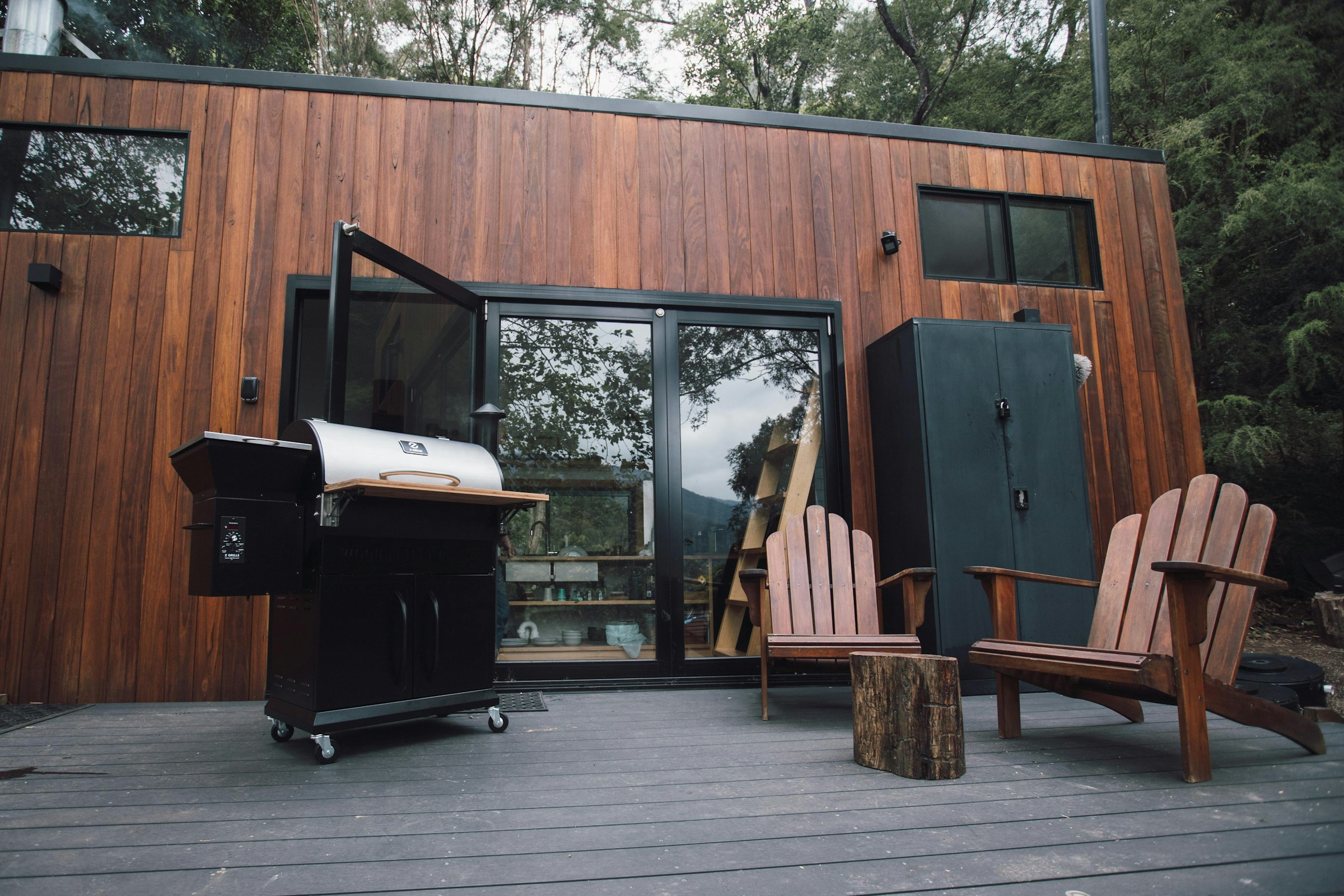
Your Weber’s grease tray has a job: catch everything that drips off the Flavorizer bars before it hits the burner tubes below. When that tray fills up and nobody empties it, you don’t just get a smoky mess — you get a grill that flares up every time fat hits a hot spot, and eventually a grease fire that can scorch a wood fence or deck in minutes. The fix isn’t complicated. It’s just a job most Plano and Frisco backyards skip until the grill starts smoking like a chimney.
What Weber actually tells owners to do
Weber’s own cleaning and maintenance guidance for Spirit and Genesis grills is more specific than most owners realize. The company’s core instruction on grease management: remove, clean, and replace the grease tray after every use specifically to prevent grease fires. That’s not a seasonal chore in Weber’s own manual — it’s an after-every-cookout habit.
The rest of Weber’s routine breaks down into a few repeatable steps:
- Cooking grates: brush off debris with a stainless-steel bristle brush after preheating, while the grates are still hot and food residue is loose.
- Flavorizer bars: scrape with a plastic scraper, then brush if buildup remains. Weber specifically calls for plastic, not metal, to avoid gouging the porcelain coating.
- Burner ports: clean with a stainless-steel bristle brush, working carefully around the ignition electrode so you don’t bend or break it.
- Grease tray: pull it, clean it, put it back — every time you cook.
Most owners do the grates. Almost nobody does the grease tray on that schedule, and that’s exactly where the trouble starts.
Why the grease tray matters more than the grates
The Flavorizer bars sit above the burner tubes for a reason: they’re designed to vaporize drippings into flavor-adding smoke instead of letting raw fat pool on a flame. But bars only work that way when they’re not caked solid. Once grease builds up thick enough, it stops vaporizing evenly and starts pooling, running off the edges, and collecting in the tray below in bigger amounts than the tray was ever built to hold in one sitting.
A full tray next to an open flame is a straightforward fire risk, and it’s a well-documented one — the National Fire Protection Association’s grilling safety research tracks thousands of home grill fires every year and lists keeping a grill free of grease and fat buildup on the grates and trays as one of its core prevention steps. It’s the same reason your grill flares up hard on burger night even though you swear you “just cleaned it” — a quick grate brushing doesn’t touch what’s built up underneath.
The line between a Saturday chore and a professional teardown
Grates, Flavorizer bars, and the grease tray are genuinely a DIY job. Fifteen minutes with a stainless brush and a plastic scraper after each cook keeps a Weber running clean for years, and it costs nothing but a little elbow grease.
Here’s where DIY stops making sense:
- Burner tubes are clogged or a burner is running yellow instead of blue. That usually means the tubes themselves need to come out and be cleared, not just brushed at the port.
- The grease has hardened into a shell inside the firebox. A season or two of skipped cleanings turns soft grease into a carbonized layer that a brush won’t touch — it has to be scraped and degreased by hand.
- You haven’t fully disassembled the grill in over a year. Grates and Flavorizer bars only protect what’s visible. Everything underneath — the firebox floor, the burner tube exteriors, the interior of the lid — needs a full teardown to actually get clean.
This is the point where we come in. A professional grill cleaning from Texas Grill Clean starts at $239 and means a full disassembly: grates, Flavorizer bars, heat shields, and burners all come out, the firebox and grease system get fully degreased, burner ports and ignition components get inspected, and everything goes back together tested and running. Most jobs take about an hour. If a burner won’t light or stays yellow after cleaning, that’s a job for our gas grill repair team instead of another round of scrubbing.
We service Weber grills regularly across Plano, Frisco, Southlake, and Westlake, along with the rest of the DFW metro.
Frequently asked questions
How often should I clean my Weber gas grill?
Grates and the grease tray: after every use, per Weber’s own guidance. Flavorizer bars: check every few cooks and scrape when buildup shows. A full teardown clean: most DFW households need one every 6-12 months depending on how often the grill runs and how much fatty food goes on it.
Can I use a metal scraper on the Flavorizer bars?
Weber specifically recommends a plastic scraper for the bars, not metal. A metal edge can chip the porcelain coating, and once that coating is compromised the bar rusts faster and stops shedding grease the way it’s designed to.
Why does my Weber flare up even though I clean the grates regularly?
Grate brushing only handles what’s on top. Flare-ups usually trace back to grease that’s built up on the Flavorizer bars or collected in the tray below — both of which need their own separate cleaning, not just a grate scrub.
My burners are burning yellow instead of blue. Is that a cleaning problem?
Sometimes. Clogged burner ports or spider webs in the venturi tubes can both cause a yellow, lazy flame. Clean the ports first with a stainless brush; if the flame is still yellow afterward, the burner tube itself likely needs to come out, which is a job we handle in a full cleaning or repair visit.
Is it safe to keep using my grill if the grease tray is overflowing?
No. An overflowing tray next to an open flame is one of the more common ways backyard grill fires start. Empty it before your next cook, and if grease has already hardened into a solid layer, that’s a sign the whole system needs a proper cleaning rather than just a tray swap.