
 3302 Westgrove Drive Arlington, TX 76001


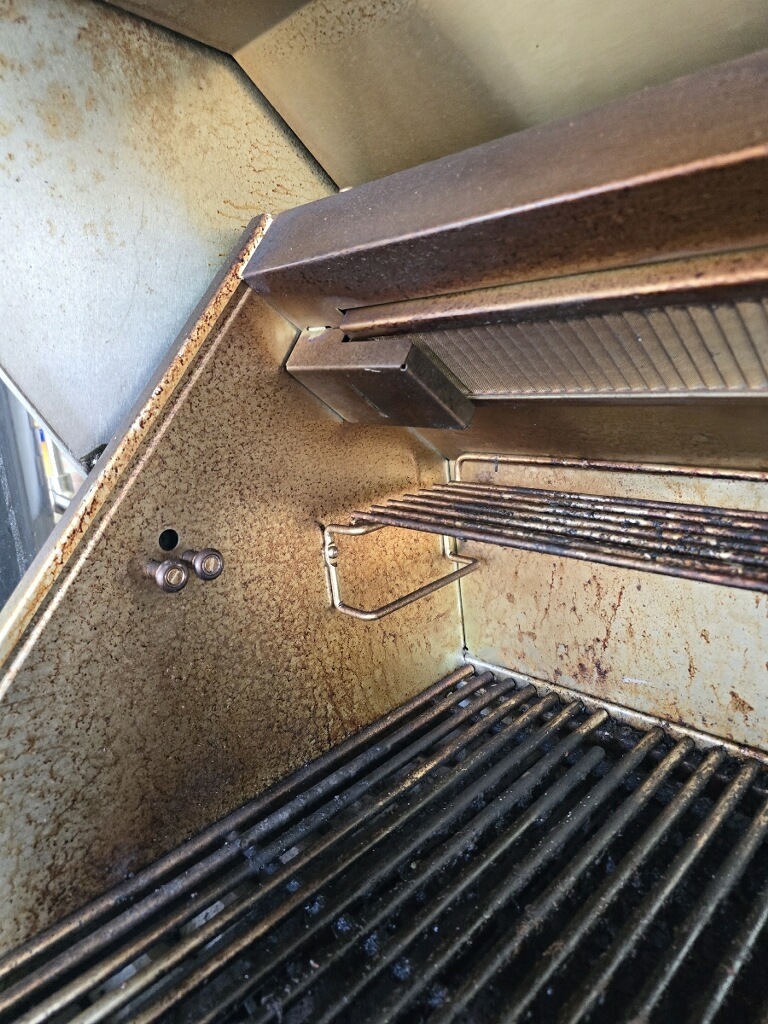
Clean flavorizer bars when grease builds up, and replace them only when they have holes or cracks. Surface rust alone is not a reason to throw them out. Those bars, also called heat tents, flame tamers, or vaporizer bars, sit between your burners and the food. A good set means fewer flare-ups and a better crust.
Picture a full patio and a steak that will not stop flaring up. A clean, whole set of bars fixes more of that than most people expect.
What do flavorizer bars and heat tents actually do?
They catch drippings so grease does not land on the burners. Weber says its Flavorizer bars replaced the lava rocks on earlier gas grills, and that they cut down on flare-ups. Drippings that hit the hot metal vaporize and rise back onto the food. That is where much of the grilled flavor comes from.
Other brands use different names: heat tents, heat plates, flame tamers, or radiants. Same job, same care. Check your owner’s manual for your model.
How do you clean flavorizer bars and heat tents?
Burn off the loose mess, brush, then wash only if needed. Weber’s own steps are a good baseline, and they work for most stainless and porcelain-coated bars:
- Run the grill on high for 10 to 15 minutes with the lid closed, then shut it off and let it cool fully.
- Remove the cooking grates and lift out the bars. Wear gloves.
- Brush them well. Scrape stubborn spots with a plastic putty knife, not a metal one.
- For heavy grime, wash with soapy water and a scouring pad. Skip citrus-based soaps.
- Rinse and towel dry right away. Weber warns that air drying can cause excessive rust early.
Never put bars in the dishwasher, use oven cleaner on them, or run them through a self-cleaning oven. Read Weber’s full guidance in Flavorizer Bars: Replace ‘Em or Keep ‘Em.
When should you replace flavorizer bars?
Replace them when they have holes or cracks. Weber says that as long as the bars have no holes or cracks, they should work just fine, even with surface rust. Use this quick check:
| What you see | What it means | What to do |
|---|---|---|
| Light surface rust | Cosmetic | Clean, dry, keep using |
| Heavy flaking, thin metal | Wearing out | Replace soon |
| Holes or cracks | Drippings reach the burners | Replace before next cookout |
| Warped, sagging bar | Heat damage | Replace and check the burner |
| Bars missing | Burners fully exposed | Replace right away |
Use bars made for your exact grill model. The wrong size changes how heat and grease move.
How do you keep flavorizer bars from wearing out early?
Keep grease off them and keep them dry. Grease that bakes on holds moisture against the metal, and that is what eats through a bar over the seasons. A few habits go a long way:
- Burn off for 10 to 15 minutes on high after a greasy cook, then brush while warm, not hot.
- Empty the grease tray and drip cup so they never overflow onto the bars.
- Dry bars with a towel after any wash, as Weber advises.
- Use a fitted cover on a clean, cool grill. Trapped moisture under a cover is a rust problem, so make sure the grill is dry first.
- Set a reminder for a full look under the grates at the start and end of grilling season.
A tidy grill also impresses guests. Clean grates and even flames mean steaks come off with a real sear, not a smoky mess.
Where does DIY stop?
DIY stops at the burners and the gas. Bars, grates, and the grease tray are fair game. If you see clogged burner ports, corroded burner tubes, a yellow flame, or you smell gas, stop. Do not poke at gas parts. Shut off the propane at the tank and call a pro.
We do a lot of gas grills across DFW, and the pattern is the same: bars that were never cleaned hold grease against the metal, and that grease is what feeds flare-ups. Cleaning them once a season can save a set.
Frequently asked questions
How often should I clean the flavorizer bars on my gas grill?
Clean them when drippings build up, usually every few cookouts if you grill with sauces and marinades. A quick brush after a high-heat burn-off keeps them working. Texas Grill Clean cleans flavorizer bars and heat tents as part of a full gas grill deep clean in the Dallas-Fort Worth area.
Is rust on flavorizer bars a problem?
Surface rust alone is not a reason to replace them. Weber says bars without holes or cracks should still work fine. Replace them when metal is flaking through, holes appear, or a crack opens. Texas Grill Clean checks them on every DFW gas grill cleaning and tells you which ones are worth keeping.
Can I put flavorizer bars in the dishwasher or use oven cleaner?
No. Weber says to keep them out of the dishwasher, away from oven cleaner, and out of a self-cleaning oven. Use a brush, a plastic scraper, and soapy water, then dry them with a towel. Texas Grill Clean uses methods that will not strip the finish on your grill parts.
What happens if I run a grill with a burned-through flavorizer bar?
Drippings can fall straight onto the burners, which feeds flare-ups and clogs burner ports. Replace a bar with holes or cracks before the next cookout. Texas Grill Clean can replace worn heat tents and bars on gas grills across DFW and tell you what is worth fixing.
Want it done for you?
Texas Grill Clean has cleaned and repaired BBQ grills in Dallas-Fort Worth since 2015. See our professional grill cleaning service, or find your city, like grill cleaning in Dallas. Call (817) 791-4606 and get your grill ready for the next cookout.