
 3302 Westgrove Drive Arlington, TX 76001


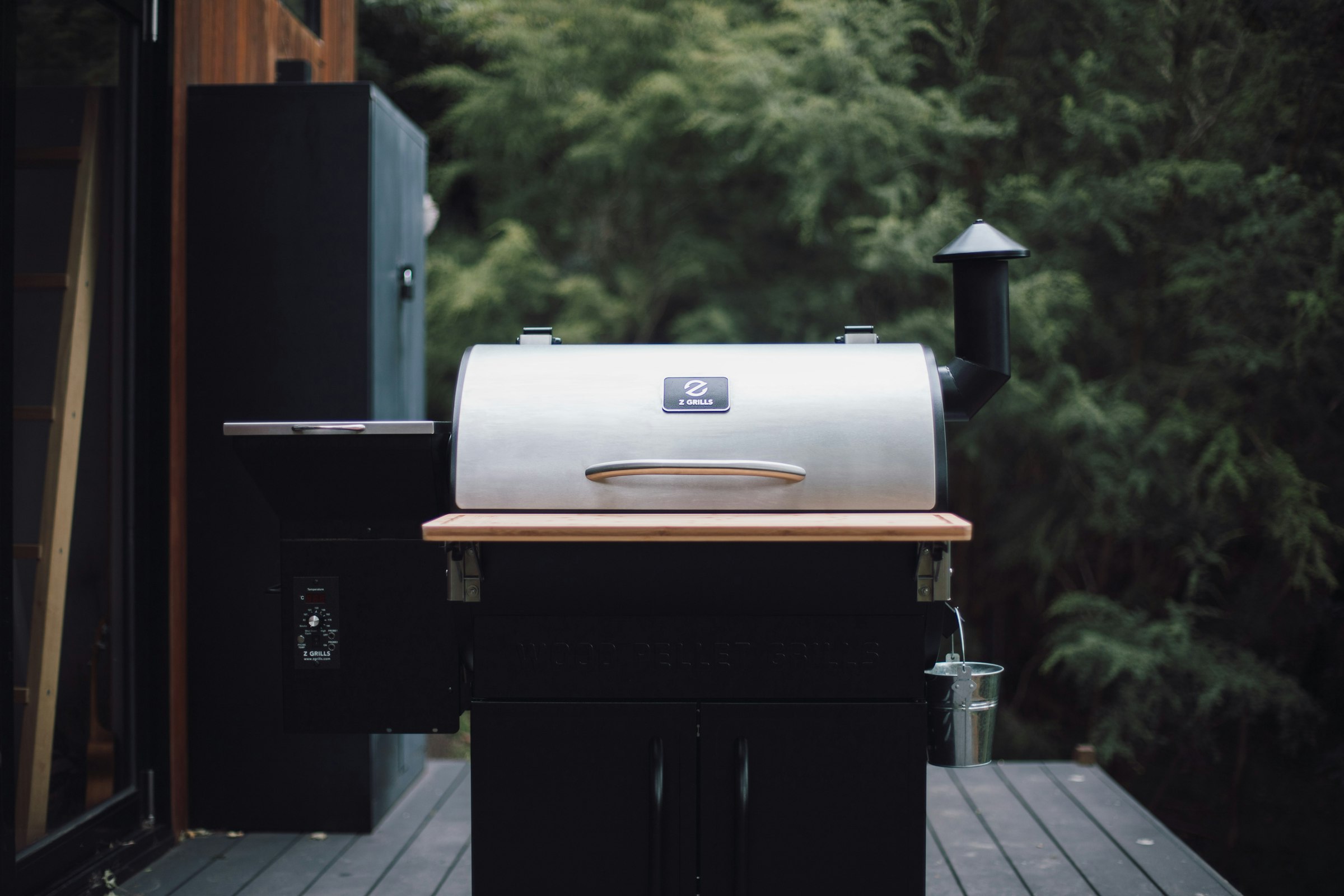
To clean a Pit Boss pellet grill, let it cool completely, vacuum the cold ash out of the burn pot and barrel, scrape the flame broiler plate and grease channel, empty the grease bucket, and wash the grates in warm soapy water. Do a quick clean after every cook and a full deep clean every 15 to 20 cooking hours.
Quick answer: Burn pot, plate, grease bucket, grates. Those four parts decide whether your Pit Boss lights on the first try and gives clean smoke. If you only have 20 minutes before Thanksgiving week, do those four and nothing else.
Here is the thing nobody tells you when you bring a pellet grill home. It is basically a wood stove with a fan, a drill bit and a computer. It makes ash, it makes grease, and it needs a little love before it smokes a 14-pound bird while the in-laws watch from the patio. You can do most of it yourself in an afternoon. The kids can even help with the grates. Just keep them away from the ash, unless you want gray footprints all over the kitchen.
How do you clean a Pit Boss pellet grill step by step?
Work from the top down, cold grill only, and finish with a burn-in. Here is the order our techs use:
- Let it cool all the way. Turn the grill off with your model’s shutdown routine and let it sit until the barrel and burn pot are cold to the touch. Unplug it before you reach inside.
- Empty the hopper if you can. Many Pit Boss models have a pellet clean-out door on the back of the hopper. Drain old pellets into a bucket. If they feel soft or crumble, toss them.
- Pull the grates and the flame broiler plate. Lift out the cooking grates, then the flame broiler (the slide plate) and any heat baffle under it. Scrape the plate with a plastic scraper. Burnt grease lives here.
- Vacuum the barrel and burn pot. Use a shop vac on cold ash only. Get the corners of the barrel and the burn pot. A packed burn pot is the most common reason we see a pellet grill fail to light or flame out.
- Clean the grease path. Scrape the drip channel that runs to the grease bucket. Replace the bucket liner or empty the bucket. Wipe the chute so grease can actually drain.
- Wash the grates. Soak porcelain-coated grates in warm soapy water and scrub with a nylon brush. Skip steel wool on porcelain. Rinse and dry fully.
- Degrease the inside of the lid. Spray a grill degreaser, wait a few minutes, wipe with a cloth. Peeling black flakes on the lid are carbonized grease, not paint, and should come off.
- Wipe the probe and the outside. Clean the temperature probe with warm soapy water. Wipe the exterior with a damp cloth. Keep water away from the controller.
- Reassemble and burn it in. Put everything back, add fresh dry pellets, and run the grill empty at about 350°F for 15 to 20 minutes. That burns off any cleaner and proves the igniter and auger still work.
Tools: a wet/dry shop vac, a plastic scraper, a nylon brush, a bucket of warm soapy water, a grill degreaser, foil liners for the grease bucket, and rubber gloves.
How often should you clean a Pit Boss pellet grill?
Scrape the grates after every cook, and give it a full clean every 15 to 20 hours of cooking. That interval comes straight from Pit Boss’s own cleaning guide, which also says to check the hopper and cooking chamber for ash buildup after every cook.
| Part | How often | What happens if you skip it |
|---|---|---|
| Cooking grates | Every cook | Food sticks, bitter flavor |
| Burn pot ash | Every 2 to 3 cooks, or when ash is visible | Failed startups, flame-outs mid-cook |
| Flame broiler plate and grease channel | Every 15 to 20 hours | Grease fires, acrid smoke |
| Grease bucket | When half full, or after a fatty cook | Overflow, drips on the patio, critters |
| Hopper pellets | Before storing for more than a few weeks | Damp pellets swell and jam the auger |
| Temperature probe | Every cook | Wrong readings, cross-contamination |
Why is the burn pot the most important part to clean?
Because the fire lives there. The auger drops pellets into the burn pot, the igniter rod lights them, and the fan feeds them air. When ash piles up, the igniter cannot reach fresh pellets and the fan cannot push air through. You get a grill that will not light, or one that lights and then dies halfway through the brisket. We wrote up the error codes in why a pellet grill keeps shutting off mid-cook.
What is the safest way to deal with Pit Boss grease?
Scrape it, drain it, and never let the bucket overflow. Grease is fuel. The National Fire Protection Association found the grill had not been cleaned in about one in five home grill fires, and one of its top safety tips is removing grease buildup from the grill and the trays below it.
- Line the bucket. A foil liner turns a messy job into a 10-second swap.
- Scrape the plate before a hot cook. Searing at 450°F on a greasy plate is how flare-ups start.
- Keep the drip path open. A clogged chute pools grease inside the barrel instead of the bucket.
- Bag it cold. Let grease harden, then toss it in the trash. Not down the sink, not on the lawn.
What our techs see on Pit Boss grills in DFW
The most common Pit Boss problem we find is not a broken part. It is a burn pot half full of ash and a flame broiler plate with a crust of old grease on it, usually on a grill that “just stopped lighting.” North Texas humidity also softens pellets left in the hopper over the summer, and they swell into a paste around the auger. Cleaning and fresh pellets fix a surprising number of “dead” grills before any part needs replacing.
When should you stop and call a pro?
DIY stops here: if the igniter glows but the pellets never catch, the auger is jammed and will not turn, the controller shows an error after a full clean, or grease has caked into the barrel walls and the insulation. Those need parts or a full teardown. A professional grill deep clean takes the whole grill apart, degreases every surface, and checks the igniter, fan and auger while it is open. We serve homeowners across Dallas-Fort Worth, including grill cleaning in Mansfield, where we see plenty of Pit Boss smokers. Call (817) 791-4606 to get on the calendar before Thanksgiving week fills up.
A clean Pit Boss means the turkey comes out mahogany instead of tasting like last July’s ribs. And you get to be the hero at the table. Again.
Pit Boss pellet grill cleaning FAQ
How often should I clean my Pit Boss pellet grill?
Scrape the grates and check the burn pot after every cook. Pit Boss recommends a deeper clean of the hopper, cooking chamber, grates and grease tray every 15 to 20 cooking hours. For a DFW family that smokes most weekends, that works out to roughly once a month, plus one full deep clean before the holidays.
Can I use a regular vacuum to clean ash out of my Pit Boss?
No. Use a wet/dry shop vacuum or a dedicated ash vacuum, and only on ash that is completely cold. Pit Boss warns that a household vacuum is not built for fine ash and can even start a fire. Wait until the grill is fully cold, which usually takes a few hours.
Why does my Pit Boss smoke too much or taste bitter after cleaning?
Usually because grease is left on the flame broiler plate or the grease bucket is full. Old grease burns into acrid smoke. Scrape the plate and the drip channel, swap the bucket liner, and run the grill empty at 350°F for 15 to 20 minutes to burn off cleaner residue before you cook.
Can Texas Grill Clean deep clean my Pit Boss in Dallas-Fort Worth?
Yes. Texas Grill Clean deep cleans and repairs pellet grills, including Pit Boss, across Dallas-Fort Worth. We pull the grates and plate, vacuum the barrel and burn pot, degrease the drip path, and check the igniter and auger. Call (817) 791-4606 to book before the holiday rush.
Should I clean my pellet grill before smoking a Thanksgiving turkey?
Yes. A turkey runs 4 to 6 hours or more at low heat, which is exactly when a packed burn pot or a greasy plate causes trouble. Clean the burn pot, scrape the plate, empty the grease bucket and use fresh, dry pellets the week before so the bird gets clean smoke.
Written by the Texas Grill Clean team. Cleaning and repairing DFW grills since 2015.
Leave a Comment