
 3302 Westgrove Drive Arlington, TX 76001


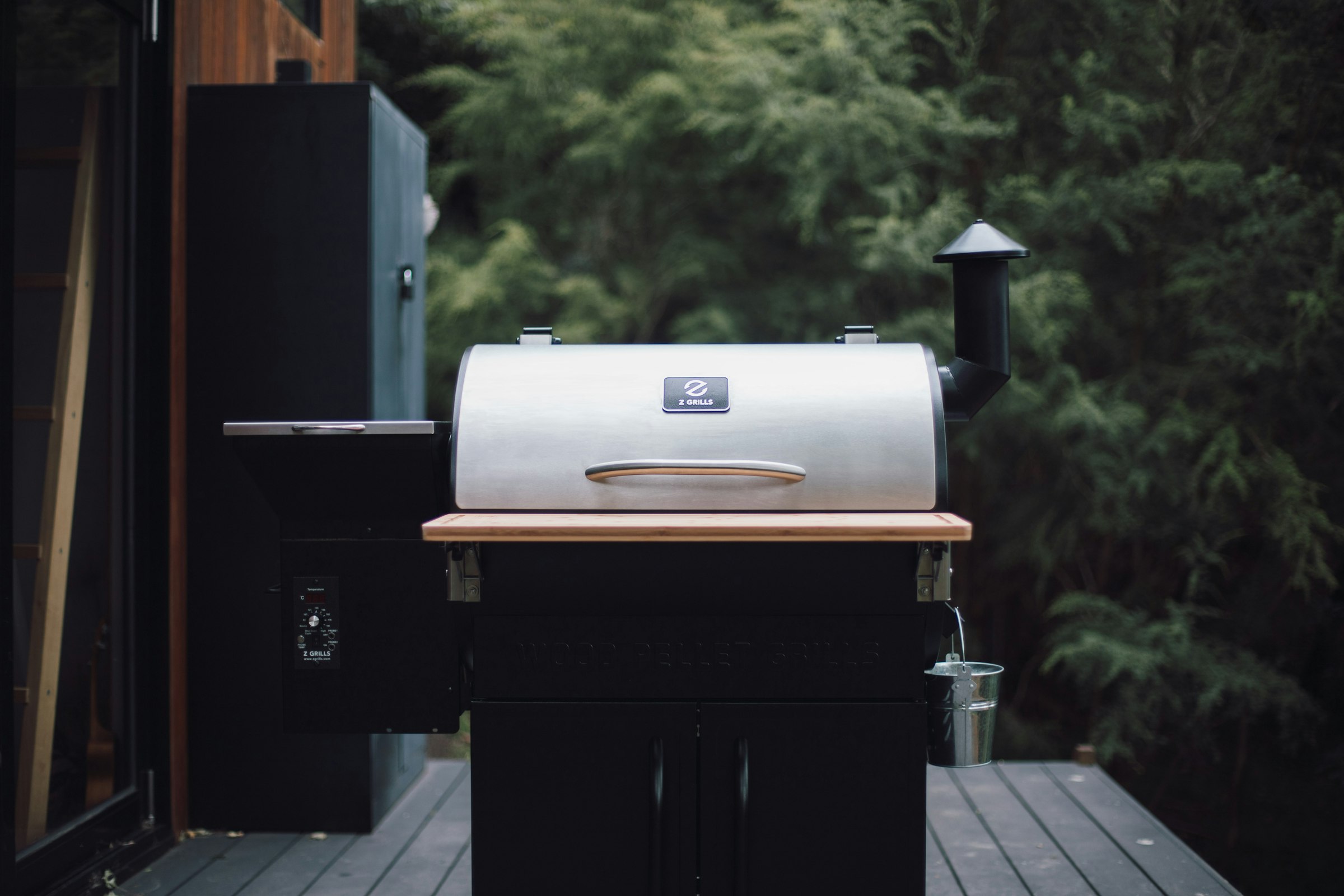
You wipe down your grill after a long winter and there they are: little orange-brown flecks scattered across the lid, or worse, a rough patch eating into a grate. Before you decide the grill is done for, it’s worth 90 seconds to figure out which kind of rust you’re actually looking at — because one kind wipes off with a rag, and the other one can mean a burner tube that’s about to fail.
Why Your “Stainless” Grill Rusts At All
Most mid-range and premium grills use 304 stainless steel for the body and lid — the same alloy used in commercial kitchens — because it holds up well outdoors. According to a metallurgical comparison from SteelPRO Group, 304 stainless contains 18–20% chromium and 8–10.5% nickel, while the cheaper 430 grade used on many budget components contains 16–18% chromium and no nickel at all. That chromium is what matters: it reacts with oxygen to form an invisible, self-healing oxide layer on the surface, and that layer is what actually resists rust — not the “stainless” label itself. The nickel in 304 adds extra resistance to pitting and crevice corrosion, which is exactly the kind of damage DFW grills deal with most.
Here’s the catch: even a grill with a fully 304 body almost always has 430-grade or plain coated-steel parts somewhere — burner tubes, flame tamers, cook-box liners, hardware. Those parts have less chromium and no nickel, so they’re the first places real rust shows up, even while the lid still looks flawless.
Cosmetic Rust: What It Looks Like and Why It Happens
Cosmetic rust is surface-level and doesn’t mean the metal underneath is compromised. It usually shows up as:
- Tea-colored speckling on an otherwise smooth panel, often after a harsh cleaner or a steel-wool pad scratched through the protective oxide layer.
- “Rust bloom” from airborne iron particles — from lawn fertilizer, sprinkler mineral deposits, or even rust washing off a nearby fence or patio furniture — landing on the grill and oxidizing on the surface without ever touching the base metal.
- Light discoloration around welds or seams, which is common even on new grills and doesn’t indicate a defect.
The quick test: rub the spot with a non-abrasive stainless cleaner and a soft cloth, going with the grain of the brushed finish. If it wipes to a clean, shiny surface, that’s cosmetic. The chromium oxide layer just needs to be restored, not repaired.
Structural Rust: What Actually Means Trouble
Structural rust means the metal itself is corroding, not just its surface. Signs to take seriously:
- Flaking or scaling rust that comes off in chunks rather than wiping away, especially on grates, heat shields, or the firebox floor.
- Pitting — small craters in the metal — which is the classic failure mode for lower-chromium, no-nickel steel exposed to moisture and cleaning chemicals over time.
- Rust on or near a burner tube, which is the one you don’t wait on. A burner tube that’s rusted through can develop pinhole leaks, uneven flame, or flashback risk. This is a safety issue, not a cosmetic one.
- Rust-through anywhere you can see daylight or feel a soft, thin spot when you press on the metal.
If a scratch test leaves behind pitting, flaking, or a rough texture instead of a clean shine, you’re dealing with structural corrosion, not surface bloom.
What You Can Handle Yourself
- Wipe down after every cook once the grill cools, especially in humid DFW summers when condensation sits on the surface overnight.
- Use stainless-specific cleaner and a soft cloth or non-metal brush — never steel wool or abrasive pads, which scratch through the protective layer and create the exact conditions rust needs.
- Clean with the grain of the brushed finish, not against it.
- Keep sprinklers off the grill if you can adjust the head; standing mineral-rich water is one of the more common causes of bloom we see on Southlake and Frisco patios.
- Cover it during long stretches of rain, but don’t seal it up while still warm or damp — trapped moisture under a cover causes more rust than an uncovered grill in dry air.
Where DIY Stops
Surface bloom and light discoloration are genuinely a DIY job. Where we tell homeowners to stop and call a pro: rust on or around gas-carrying components, pitting deep enough to weaken a grate or heat shield, or any rust you can’t tell is cosmetic versus structural without taking something apart. Guessing wrong on a burner tube isn’t worth the risk, and a full teardown is the only way to actually see what’s happening at the firebox floor and connections underneath.
Our grill restoration and deep cleaning service includes a full teardown, degreasing down to bare metal, and rust treatment on grates, heat shields, and the firebox — most surface rust and buildup is reversible once we get inside it. Every job is quoted based on the grill’s size, make, and condition, since a lightly speckled Weber and a heavily pitted built-in need very different amounts of work. We service Southlake, Frisco, Plano, and the rest of the DFW metro, plus the Gulf Coast around Pensacola and Baldwin County.
Frequently Asked Questions
Can rust on a grill make me sick?
Surface rust on cooking grates isn’t typically a health hazard in small amounts, but heavily rusted or flaking grates shouldn’t be cooked on directly. Clean or replace grates that are flaking rust onto food.
Will vinegar or baking soda remove grill rust?
Mild household acids can help lift light surface rust on cast iron or coated grates, but they aren’t formulated for stainless steel and can dull the finish or leave residue. Stick with a stainless-specific cleaner on stainless components.
Is it normal for a brand-new grill to show some rust spots?
Yes, light discoloration near welds or seams on a new grill is common and usually cosmetic. Widespread rust on a new unit is unusual and worth a warranty check with the manufacturer.
How often should I deep-clean a stainless grill to prevent rust?
A wipe-down after every use plus a more thorough clean every 4–6 weeks during grilling season goes a long way. Grills used year-round or exposed to sprinklers and heavy humidity need it more often.
Can a rusted burner tube be repaired instead of replaced?
Once a burner tube has pitted or rusted through, patching it isn’t safe or reliable. Burner tubes are a wear part that gets replaced, not repaired, when corrosion compromises the metal.