
 3302 Westgrove Drive Arlington, TX 76001


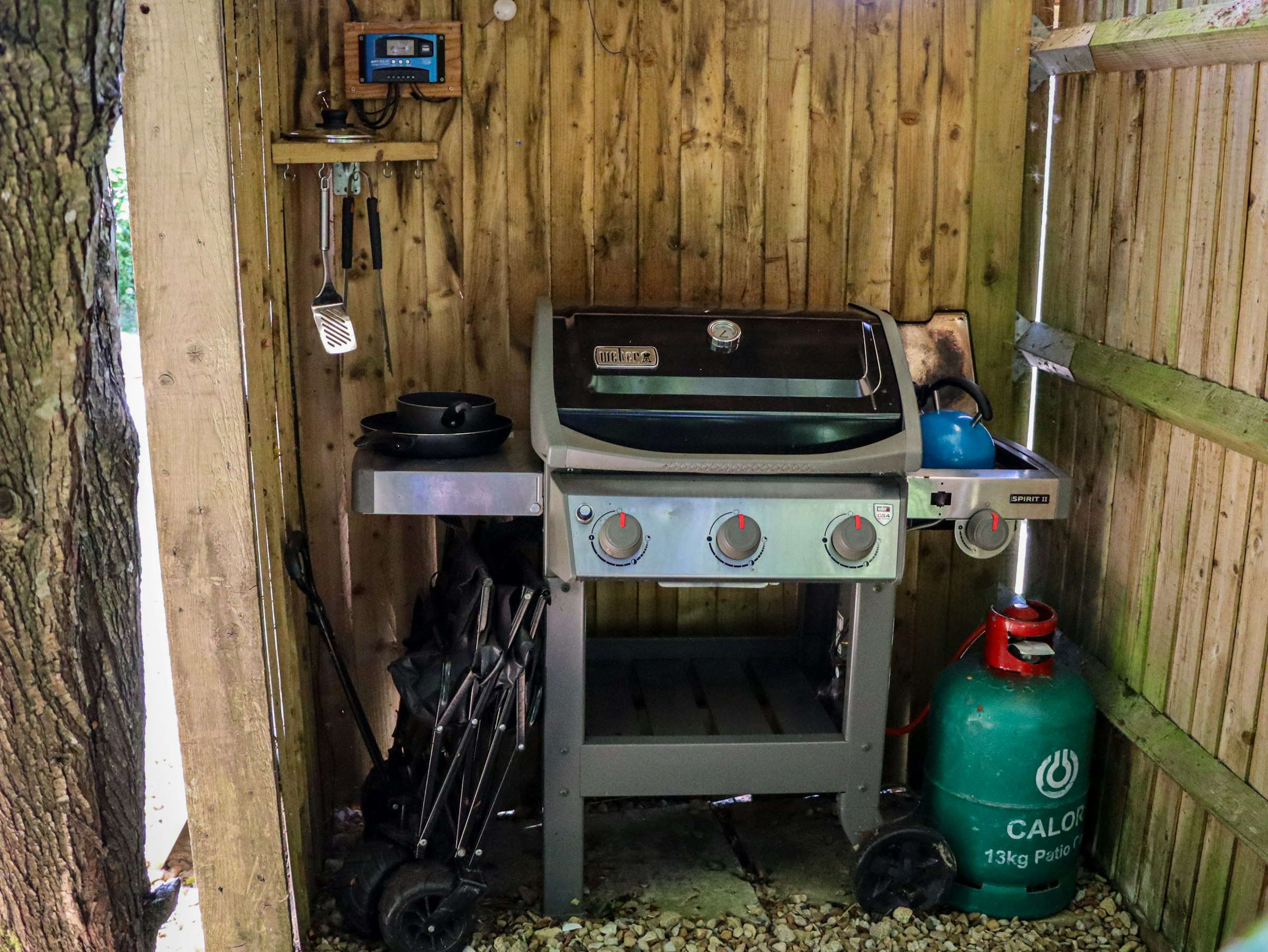
You turn the knob, press the igniter button, and hear it: click… click… click… No flame. Your guests are hovering by the patio door, the chicken’s marinating, and your grill is putting on a show of sparks with nothing to light. Before you reach for a lighter or give up and order pizza, here’s the good news — a dead igniter is one of the most fixable problems a gas grill has, and most of the time it doesn’t take a repair visit.
We diagnose this exact complaint on grills across Dallas-Fort Worth almost every week, from $400 Weber Spirits in Arlington to $10,000 built-ins in Westlake. The fix is almost always one of four things. Here’s how to find out which one you’re dealing with, and where DIY troubleshooting should stop.
How a Push-Button Igniter Actually Works
Most residential gas grills use one of two ignition systems. A piezo igniter generates a spark mechanically — pressing the button snaps a small crystal that produces a jolt of voltage, no batteries required. A battery-powered electronic igniter (usually a single AA or AAA battery) sends a spark from a control module through a wire to an electrode near the burner.
Either way, the goal is the same: create a spark close enough to the burner’s gas port to ignite the gas the moment you turn the valve. When that spark doesn’t happen — or happens but doesn’t reach the gas — you get the click with no light.
The 4 Most Common Reasons It Won’t Spark
1. A dead or corroded battery. If your grill uses a battery-powered module, this is the fix that solves the problem more often than anything else on this list. Batteries left in a hot metal grill cabinet through a Texas summer corrode fast. Pull it, check for white or greenish crust on the contacts, clean them with a dry cloth or fine sandpaper, and drop in a fresh battery.
2. Electrode gap or carbon buildup. The electrode is the small metal tip that actually throws the spark. Grease, spider webs, and cooking residue build up on it over a season and either short out the spark or push it too far from the burner to ignite gas. Look for a small gap — usually about 1/8 inch — between the electrode tip and the burner. Wipe it clean with a dry cloth (never anything wet or oily) and make sure it hasn’t shifted out of position.
3. A loose or damaged wire connection. The wire running from the igniter module to the electrode gets a lot of heat cycling. Over a few years the connection at either end can work loose, or the wire insulation can crack and let the spark ground out before it reaches the tip. Check that both ends are seated firmly. A visibly cracked or melted wire needs replacement, not tape.
4. A failed igniter module or electrode assembly. If the battery is fresh, the electrode is clean and properly gapped, and the wiring looks intact but you still get nothing — or you hear a spark but see no visible arc at the electrode — the module or electrode itself has likely failed. These are inexpensive parts, but replacement means opening the control panel and matching the part to your grill’s exact model.
Before You Keep Clicking: Check for Gas Leaks First
If the igniter sparks but the burner still won’t light, don’t assume it’s just the flame — confirm gas is actually reaching the burner safely. The U.S. Consumer Product Safety Commission recommends a simple test before every grilling season: visually inspect hoses for cracking, brittleness, or holes, then brush a soapy water solution on the tank connection and hose fittings. If bubbles form, you have a leak. Tighten the connection and retest; if bubbles persist, stop and have it professionally repaired. The CPSC has tracked thousands of grill-related injuries treated in hospital emergency departments in a single year, most from burns — a leak check takes five minutes and it’s the difference between a fixed grill and a real hazard.
What DFW Weather Does to Your Igniter
North Texas doesn’t make this easier. Summer heat above 100°F accelerates battery corrosion inside a closed grill cabinet, spring pollen coats electrodes in a sticky film that shorts out sparks, and grills that sit uncovered through spring storms get moisture into connections that should stay dry. If your grill lit fine last fall and won’t spark now, seasonal buildup — not a broken part — is the most likely culprit. That’s exactly why a pre-season check of the battery, electrode, and connections takes five minutes and saves a wasted cookout.
DIY Stops Here: When to Call a Pro
Cleaning an electrode and swapping a battery is safe, cheap DIY. Where we tell homeowners to stop and call in a professional:
- You smell gas at any point during inspection, whether or not the soap test confirms a leak. Shut the tank valve and don’t relight until it’s resolved.
- The soap test shows bubbles at the hose or regulator that don’t go away after retightening the connection.
- You’ve replaced the battery and cleaned the electrode and still get no spark — that points to a failed module or wiring that needs the right replacement part for your exact model.
- Burners light unevenly, weakly, or with yellow (not blue) flame once ignition is working — that’s usually a separate clogged-port or gas-flow issue, not an igniter problem.
This is where our gas grill repair service comes in. We start every job with a full diagnostic — igniter, electrode, wiring, burners, regulator, and hose — so you’re not guessing at parts, and pricing is quoted upfront before any work starts. A diagnostic visit starts at $239, with parts and labor confirmed before we touch anything. We service every major brand across the DFW metro, from Plano and Frisco to Arlington and Fort Worth.
Frequently Asked Questions
Q: My igniter clicks and I can see a spark, but the burner still won’t light. What’s wrong?
A: That’s usually a gas flow problem, not an ignition problem — a closed valve, empty tank, clogged burner port, or a regulator that’s gone into bypass mode (often from disconnecting and reconnecting the tank too quickly). Turn everything off, wait a full minute, then slowly reopen the tank valve before trying again.
Q: How often should I replace the igniter battery?
A: Most manufacturers recommend once a season, typically at the start of grilling season, even if it hasn’t died yet. In Texas heat, we often see AA batteries corrode within a single summer.
Q: Is it safe to use a match or long lighter if the igniter fails?
A: Only with the lid open, using a long-handled lighter, and only after confirming there’s no gas leak. Never light a grill with the lid closed — gas can pool and ignite all at once when you open it.
Q: Can I fix the electrode myself, or does it need a professional?
A: Cleaning and checking the gap is safe DIY work. Replacing the electrode assembly itself is still straightforward for most homeowners, but if it’s paired with wiring or module issues, matching the correct part to your grill model is where most DIY attempts stall out.
Q: Does a bad igniter mean my grill needs a full cleaning too?
A: Often, yes. Grease and carbon buildup that fouls an electrode usually means the burners and grates need attention too — we typically recommend pairing an igniter fix with a deep clean so you’re not paying for two visits.
Leave a Comment